
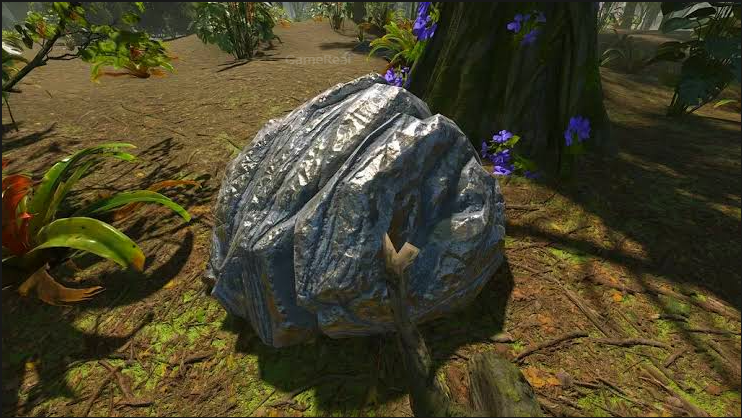
Rust HQM Nodes September 2026: Best Places to Find Them
High Quality Metal has always been one of the most valuable and contested resources in Rust. It is required for tier-3 workbenches, high-end weapons, armored doors, heavy plate armor, and many late-game crafting recipes. For years players relied on the small HQM yield from regular metal nodes, the Giant Excavator, HQM quarries, recycling, and monument loot. The September 2026 update changed that by adding dedicated HQM ore nodes and smaller ground collectables directly into the world.
These new nodes are rare, high-value targets. Knowing where they tend to appear and how to farm them efficiently can give a noticeable advantage during a wipe, especially in the first few days when every piece of HQM matters.
What Changed in the September 2026 Update
Facepunch introduced two new world resources:
- HQM Nodes – larger ore nodes that yield High Quality Metal Ore when mined. Current testing values put a full node around 20 HQM (along with some regular metal ore in earlier builds). Exact numbers can shift with balance patches.
- HQM Collectables – smaller ground pickups that give a smaller amount (around 5 HQM).
Both are significantly rarer than standard stone, metal, or sulfur nodes. The Jungle biome is the primary intended spawn area, although nodes have also been observed in desert and temperate zones during testing. Ground collectables appear more strongly tied to the Jungle.
This addition does not replace older HQM sources. It simply adds a new, direct farming route that makes certain parts of the map more attractive.
Best Places to Find HQM Nodes
1. Jungle Biome (Highest Priority)
The Jungle is the clearest hotspot for the new HQM nodes and especially for the smaller collectables. Dense foliage, uneven terrain, and the overall rarity of the nodes mean you will still have to search carefully, but this biome currently offers the best density.
When roaming the Jungle:
- Check rocky outcrops, cliff edges, and less-traveled interior paths.
- Listen for the distinct mining sound if other players are already working a node.
- Move methodically rather than sprinting through open areas. The nodes are easy to miss in the undergrowth.
Because the Jungle is now more valuable, expect higher player traffic and more PvP in the days after a wipe. Travel light, bring a good tool, and have an escape route planned.
2. Desert and Temperate Rocky Areas
Testing showed HQM nodes can appear outside the Jungle. Rocky hills, mountain edges, and cliffside topologies in desert and temperate biomes are worth checking, especially if the Jungle feels too contested.
These spawns appear less consistent than Jungle ones, so treat them as secondary routes rather than primary farming loops.
3. Traditional Metal Node Zones (Still Relevant)
Even with the new dedicated nodes, regular metal nodes continue to drop a small amount of HQM Ore. Areas that have always been good for metal nodes — snowy mountains, rocky ridges, and certain monument peripheries — remain useful, particularly early wipe when you need both metal fragments and the occasional HQM.
Combining a metal-node run with a search for the rarer HQM nodes is often more efficient than focusing on only one type.
Other Reliable HQM Sources
The new nodes are an addition, not a replacement. Strong players still mix multiple methods:
- Giant Excavator – Still one of the highest-volume HQM sources when you can control or safely run it.
- HQM Quarry – Public quarries produce a steady but small amount of HQM Ore per diesel cycle. They are contested but predictable.
- Recycling – Components, weapons, and armor broken down at a recycler remain a major HQM income stream.
- Monument and crate loot – Launch Site, Military Tunnels, Oil Rigs, Cargo, and elite crates can drop HQM or items that recycle into it.
- Roads and barrel farming – Lower yield but low risk, useful when you need a safe top-up.
Practical Farming Tips for September 2026
Tool choice matters
A Salvaged Icepick or better significantly speeds up node mining and improves hotspot chaining. Jackhammers are ideal when you can safely use them. Carry a backup tool in case of breakage or loss.
Hotspot mining
Hitting the glowing hotspot on a node increases yield per swing. Chaining hotspots lets you extract the node’s resources faster. Practice the timing so you waste fewer swings.
Security and timing
HQM nodes are high-value and therefore high-risk. Farm during lower-population hours when possible. Bring a teammate to watch your back. Avoid lingering after the node is finished — other players will hear the mining and rotate toward the sound.
Inventory management
HQM Ore is heavy relative to its value. Prioritize it in your inventory and smelt it as soon as you reach a safe furnace. Leaving raw ore in a stash near a contested farming area is risky.
Map knowledge
After a few wipes on the same procedural seed you will start recognizing the rocky pockets that tend to spawn higher-tier nodes. Build mental routes that link metal nodes, sulfur, and the new HQM spawns so you are never traveling empty-handed.
How the New Nodes Affect Early-Wipe Strategy
In the first 24–48 hours of a wipe, every piece of HQM accelerates progression toward workbench level 3, better weapons, and stronger base upgrades. Teams that efficiently clear Jungle HQM nodes (or safely run the Excavator) can pull ahead of groups that still rely only on traditional metal nodes and recycling.
At the same time, the increased value of the Jungle means more competition. Smaller groups may find better success hitting secondary desert or temperate spawns while larger clans contest the main Jungle routes and monuments.
Balancing Risk and Reward
HQM farming has always carried risk. The September 2026 nodes simply concentrate some of that risk into specific biomes. Evaluate your group size, gear level, and the current server population before committing to a long Jungle run. Sometimes a safer metal-node circuit plus recycling produces more net HQM with far less chance of losing everything.
Final Thoughts
The September 2026 update gave Rust players dedicated HQM nodes and small ground collectables for the first time. The Jungle biome is the primary location for both, with additional node spawns possible in desert and temperate rocky areas. Yields are modest per node (around 20 HQM from a full node and 5 from a collectable in current values), but the direct access is a meaningful addition to the existing network of Excavator, quarries, recycling, and monument loot.
The most effective approach is mixed: run Jungle routes when the risk is acceptable, keep farming traditional metal nodes, and never ignore recycling and crate loot. Carry good tools, mine hotspots efficiently, and treat every HQM node as a high-value, high-attention target. Players who adapt their farming loops to include the new nodes while respecting the increased contest in the Jungle will find High Quality Metal less of a bottleneck as the wipe progresses.