
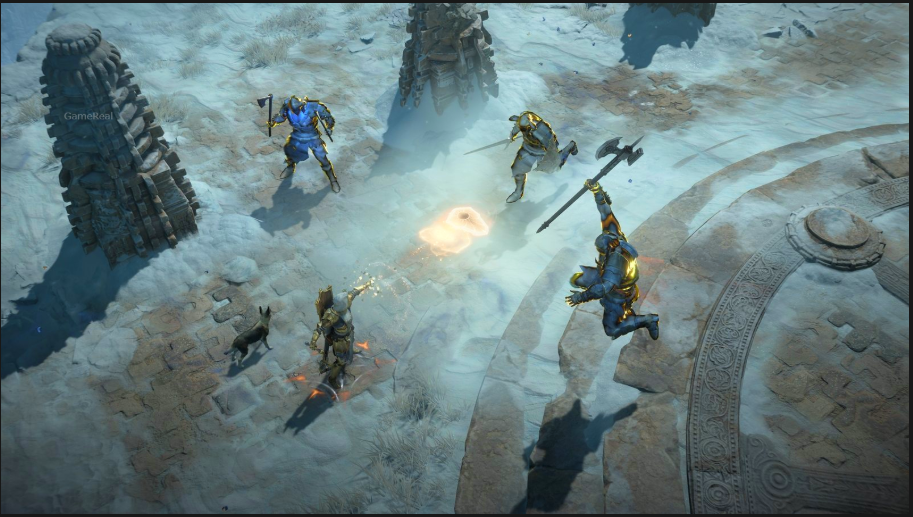
Diablo 4 Season of Hell’s Legacy: Release, Bosses & Rewards
Diablo 4’s Season of Hell’s Legacy launches on September 15, 2026, marking both the start of Season 15 and a major celebration of the franchise’s 30th anniversary. The season leans heavily into nostalgia while delivering fresh seasonal mechanics, new endgame encounters, permanent item additions, and a full set of rewards that reward both story progression and ongoing play. Players step into a living history of Sanctuary, guided by the returned soul of Deckard Cain, and confront echoes of the three original Prime Evils in locations pulled directly from earlier games.
The timing aligns with Diablo 4’s arrival on Nintendo Switch 2 and continues the broader narrative thread involving the Death Cult and rising threats from Pandemonium that began in prior seasons. What follows is a complete look at the release window, the major bosses and encounters, the new systems that define the season, and the rewards waiting for players who push through the content.
Release Timing and Accessibility
Season of Hell’s Legacy goes live on September 15, 2026. Official timing centers on 9:30 AM PT, with regional start times adjusting accordingly (for example, evening hours in Europe). The accompanying patch 3.2.1 brings the full suite of seasonal systems, quality-of-life updates, and the new content. As with previous seasons, a new Seasonal Realm opens, characters begin at level 1, and the usual shared stash and account-wide progression rules apply.
Rebirth returns this season, letting players carry a character’s identity and certain progress forward rather than starting completely from scratch if they choose. This feature has proven popular with players who want continuity across seasons while still experiencing the fresh seasonal journey.
The Seasonal Questline and Prime Evil Echoes
The heart of the season is a questline built around three dark wanderers—former vessels of the Prime Evils—who have returned from Pandemonium. Deckard Cain’s lost soul appears in Sanctuary once more to guide the player. Cain tasks you with redeeming these lost souls by confronting the nightmares that still torment them.
The climax of the questline sends players to three iconic locations:
- The original Tristram Cathedral, where an echo of Diablo awaits beneath the classic cathedral structure.
- Arreat Summit and the Worldstone Chamber for the confrontation with Baal.
- The Durance of Hate for the encounter with Mephisto.
Defeating each echo yields a Splinter of Evil tied to that Prime Evil. These Splinters form the core seasonal power system. Players choose one to bear at a time, gaining an iconic power associated with that demon while also accepting a corresponding vulnerability or liability. Switching is possible by obtaining another Splinter from the largest Waking Nightmare encounters, which also changes the associated reputation track and available rewards.
Each Splinter influences specific endgame activities. Diablo’s power modifies Helltides and Infernal Hordes. Baal’s influences the Undercity and Lair Bosses. Mephisto’s affects the Pit and Nightmare Dungeons. All three interact with the Tree of Whispers. This design encourages players to experiment with different power sets depending on the content they want to farm.
Waking Nightmares and Nearly Twenty Bosses
Beyond the main questline, the season introduces Waking Nightmares—recreated encounters drawn from Diablo I, Diablo Hellfire, Diablo II, Diablo III, and Diablo Immortal. These are rebuilt with modern Diablo 4 visuals and systems while preserving the spirit of the original moments.
Waking Nightmares come in multiple scales. Some appear as surprise one-room boss fights in the open world. Others function as multi-level Capstone-style dungeons that can be replayed after first discovery through the questline. Nearly twenty bosses return, including familiar names such as Nihlathak and the Maggot Queen, alongside other historical foes and even certain heroic figures from past games who appear within the nightmares.
These encounters serve dual purposes. They expand the seasonal story by revealing more about the dark wanderers’ pasts and the broader impact on Sanctuary’s future. They also act as reliable sources of seasonal currency, Soul Splinters, and the new Legacy Uniques. Because the largest versions can be revisited, they form a meaningful part of the endgame loop rather than one-time story content.
Soul Splinters and Build Experimentation
In addition to the three Prime Evil Splinters of Evil, the season adds a set of eight Soul Splinters that socket into jewelry. Examples include the Splinter of Anguish linked to Andariel, Splinter of Sin tied to Azmodan, Splinter of Lies connected to Belial, Splinter of the Mother associated with Lilith, and others drawing from iconic demons across the series.
Each Soul Splinter grants a powerful boon while imposing a demonic liability. Players can equip up to three at once, creating meaningful trade-offs and encouraging theorycrafting around which combination best supports a given build. The system sits alongside existing Legendary and Unique crafting, giving theorycrafters new levers without completely overhauling the itemization foundation.
Nine Permanent Legacy Uniques
One of the most lasting contributions of the season is the introduction of nine Legacy Uniques that enter the permanent item pool. These are classic or spiritually classic items reimagined for Diablo 4, including the long-requested Stone of Jordan, Leoric’s Crown, Messerschmidt’s Reaver, and others drawn from franchise history.
Because they become permanent, they will remain available in future seasons and on the Eternal Realm. This addition strengthens the overall Unique pool and gives collectors and build enthusiasts new chase items that carry historical weight.
Season Rank Progression and Battle Pass Rewards
Season Rank progression features nine ranks and roughly 125 objectives. Completing these account-wide goals yields substantial rewards, including:
- Up to 14 Skill Points
- Up to 42 Paragon Points
- Up to 10 Resplendent Sparks (with additional sparks available from Mythic Caches)
- Five Mythic Unique Caches
- The Dark Wanderbear pet
- Banner of the Three Mount Trophy
- Emblems, titles (including Deckard’s Confidant), and Title Laurels
- Various crafting materials, keys, Runes, Sigils, Charms, and Seals
The seasonal Battle Pass, presented through the Reliquary system, offers both free and premium tracks celebrating thirty years of Diablo. Free rewards available through Favor include Platinum currency, a horse mount and mount armor, weapon transmogs, and a Town Portal cosmetic. Premium tracks expand this with full armor sets for every class inspired by legendary heroes of the past, additional mounts and pets, weapon cosmetics, and exclusive completion sets such as the Archangel of Justice armor.
Favor carries over between seasons, and the Reliquary structure allows players to choose paths that emphasize armor, beasts, or weapons according to personal preference. The overall presentation leans heavily into nostalgia, with cosmetics referencing iconic heroes, villains, classes, and treasures from across the franchise.
Quality-of-Life and Supporting Systems
Rebirth returns, letting players preserve character identity when moving into the new Seasonal Realm. New Unique Charms expand buildcrafting options. Horadric systems receive updates that improve glyph and cache interactions. The season also continues refinements to existing endgame loops so that the new Nightmare and Splinter systems integrate cleanly with Helltides, the Pit, Nightmare Dungeons, and Lair Bosses.
What to Expect on Launch Day and Beyond
On September 15, players can expect the usual surge of activity as the community races through the seasonal questline, tests the new Splinter powers, and begins mapping efficient routes through Waking Nightmares. The combination of story-driven Prime Evil encounters, replayable historical boss fights, and permanent item additions gives the season both immediate narrative appeal and long-term lasting value.
Because the Legacy Uniques remain after the season ends, and because the cosmetics and titles serve as permanent marks of participation in the 30th anniversary celebration, Season of Hell’s Legacy stands as more than a temporary theme. It functions as a bridge between Diablo’s past and its ongoing future in Diablo 4, while the broader story of the Death Cult and returning souls sets up the seasons still to come.
Whether you are a longtime franchise fan eager to revisit classic locations and bosses or a current Diablo 4 player looking for fresh powers and chase items, the season delivers a dense package of content. Log in on September 15, follow Cain’s guidance, claim your first Splinter of Evil, and step into the nightmares that have shaped Sanctuary for three decades. The echoes of the Prime Evils are waiting.