
Minecraft 26.3 Wilderness Bound: What Changed in the Final Release
Minecraft’s third game drop of 2026, officially named Wilderness Bound and numbered 26.3 on Java Edition, brings a distinctly autumnal feel to the Overworld. Released on September 15, 2026, the update centers on exploration, cozy building options, and a new forest biome that feels like stepping into late autumn. It is not a massive overhaul of systems or dimensions. Instead it is a focused package of new blocks, a new biome, a new structure type, quality-of-life items, and a handful of thoughtful changes that make traveling and settling feel more inviting.
This guide covers every major addition and change that made it into the final version. The information reflects the completed drop after the release-candidate phase, so players can jump in knowing exactly what awaits them.
The Dappled Forest – The Heart of the Update
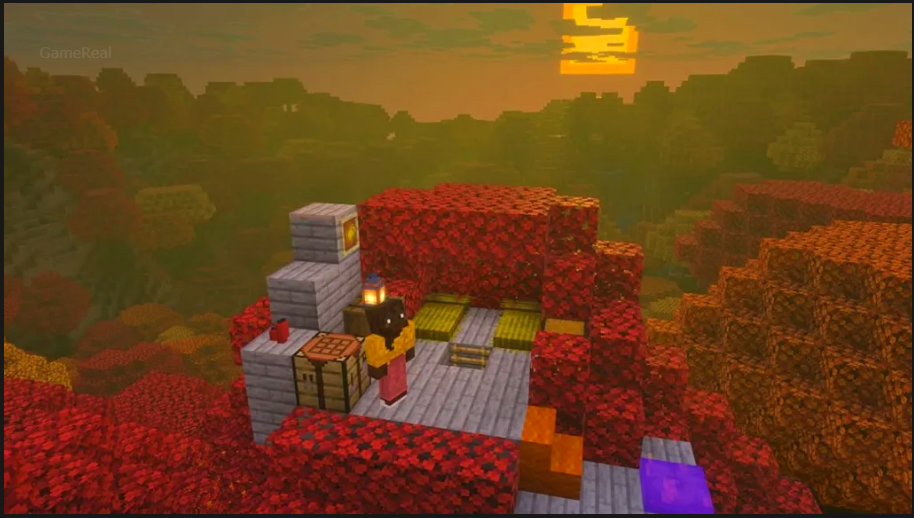
The standout feature is the new Dappled Forest biome. It generates near colder regions and carries a warm orange-tinted palette that immediately sets it apart from standard forests or taigas. Tall poplar trees dominate the canopy, their leaves shifting between red, orange, and yellow. Red shrubs, leaf litter, brown mushrooms, and the new shelf mushrooms fill the undergrowth. Fallen poplar trees appear more frequently than fallen trees in other biomes, adding natural clutter and extra wood sources.
Cold-variant farm animals spawn here along with foxes and rabbits. The overall atmosphere feels quiet and slightly melancholic, perfect for players who enjoy building woodland bases or simply wandering. Because the biome sits near cold areas, it creates smooth transitions that make world generation feel more organic.
Poplar trees themselves introduce a full new wood set. Logs, stripped logs, planks, stairs, slabs, fences, fence gates, buttons, pressure plates, doors, trapdoors, and shelves are all available in the pale, desaturated brown tone unique to poplar. Saplings grow into red-, orange-, or yellow-leaved variants, giving builders more color control when designing autumn-themed builds.
Abandoned Camps – Ready-Made Waystations
Scattered across multiple biomes are the new Abandoned Camp structures. These small, story-rich sites look like temporary camps left behind by previous explorers. They generate in swamps, savannas, taigas, snowy taigas, various forest types (including the new Dappled Forest), jungles, pale gardens, cherry groves, meadows, and several others. Each biome variant has its own visual flavor—some lean heavily on wool stairs and fences, others incorporate local foliage, cobwebs, or small crop patches.
Inside the camps players find useful loot: straw beds, cushions, explorer maps pointing to other camps or notable structures, and assorted supplies. The camps function as natural rest stops during long exploration trips. Finding one can save a night of digging a temporary dirt hut and gives an immediate sense of discovery.
New Building and Comfort Blocks
Wilderness Bound expands the building palette in practical ways. Wool stairs and slabs arrive in all sixteen colors. Like regular wool and carpets, they dampen sound, making them useful for quiet bases or redstone-adjacent builds. Concrete stairs and slabs also appear in every color, giving builders smoother transitions and more precise detailing options without needing workarounds.
Two highly requested comfort items debut. Cushions are crafted from three matching wool slabs and can be placed on almost any surface. Players can sit on them, finally fulfilling the long-standing community request for a simple sitting mechanic. Straw beds are crafted from three hay bales placed horizontally. They let players skip the night without resetting their respawn point—an elegant solution for explorers who want to rest without abandoning their main bed.
Shelf mushrooms join the mushroom family. They can be used in mushroom stew, suspicious stew, and rabbit stew recipes, expanding food options and giving the new forest more edible value.
Maps and Exploration Tools
Maps received meaningful upgrades. The basic map and empty map textures were refreshed, and maps now display the player’s facing direction even when the player stands outside the mapped area. This small change makes navigation clearer during long journeys.
New explorer maps appear in Abandoned Camp chests. They point to ancient cities, other abandoned camps, desert pyramids, mineshafts, and warm ocean ruins. Additional campsite-specific maps help players locate more of the new structures across different biomes. These maps encourage deliberate exploration rather than pure random wandering.
Smaller Changes and Polish
Several existing elements received light updates. Spruce leaves no longer emit falling leaf particles, reducing visual noise in spruce-heavy areas. Hay bales received a subtle texture tweak. The main menu panorama was updated to showcase the new Dappled Forest aesthetic, giving the launch screen an immediate seasonal feel.
Crafting recipes for stews became more flexible. Mushroom stew and suspicious stew can now be made with any two mushrooms, including the new shelf mushrooms. Rabbit stew also accepts shelf mushrooms. These adjustments make food preparation less restrictive when foraging in the new biome.
What the Final Version Emphasizes
Wilderness Bound leans into atmosphere and quality of life rather than combat or progression overhauls. The Dappled Forest rewards players who enjoy building and exploring. Abandoned Camps give purposeful destinations and free supplies. Cushions and straw beds solve long-standing comfort complaints. The expanded wood, wool, and concrete options give builders more tools without overwhelming the creative inventory.
Because the drop is relatively focused, existing worlds feel refreshed rather than rewritten. New chunks generate the Dappled Forest and camps naturally, while older areas remain untouched until the player ventures outward. This approach keeps the update accessible for both long-running servers and fresh starts.
Practical Tips for the First Days
When you first load into a world after the update, head toward colder biomes to locate a Dappled Forest. Gather poplar wood early—its unique color pairs well with both warm and cool palettes. Visit any Abandoned Camps you find; the maps and straw beds are immediately useful. Craft a few cushions for your base or for temporary outdoor seating. Experiment with the new stew recipes using shelf mushrooms found on poplar trunks or the forest floor.
Builders should experiment with wool and concrete stairs and slabs right away. The sound-dampening property of wool variants opens new design possibilities for bases near noisy farms or redstone machines. Straw beds are excellent for temporary forward camps during long mapping expeditions.
Looking at the Bigger Picture
Minecraft’s shift to smaller, more frequent game drops continues with Wilderness Bound. Instead of one massive yearly update, players receive regular packages that each push a clear theme. This drop’s theme is outdoor living and autumn atmosphere. It succeeds by giving players new places to explore, new materials to build with, and small quality-of-life improvements that make the everyday experience slightly more pleasant.
Whether you are a builder looking for fresh wood and colorful stairs, an explorer hunting for camps and maps, or a player who simply wants a beautiful new forest to walk through, Wilderness Bound delivers. The final version is polished, cohesive, and ready for the community to shape into countless bases, adventures, and screenshots. Load up version 26.3, step into the dappled light of the new forests, and start writing your own stories among the poplars.