
Fire Emblem Fortune’s Weave: Release Date & Gameplay
Fire Emblem: Fortune’s Weave arrives exclusively on Nintendo Switch 2 on September 17, 2026. Developed by Intelligent Systems and published by Nintendo, it is the eighteenth mainline entry in the long-running tactical RPG series. The game centers on the Heroic Games in the Dagdan Empire, where four distinct protagonists compete for a single wish granted by the gods. Their individual stories eventually intertwine through time travel, drawing in familiar elements from Fire Emblem: Three Houses while introducing new systems of its own.
This guide covers the confirmed release details, the four playable heroes, the structure of free time and exploration, the combat systems, and what players can expect from the overall experience.
Release Date, Pricing, and Editions
Fire Emblem: Fortune’s Weave launches worldwide on September 17, 2026, for Nintendo Switch 2 only. Digital copies are priced at $69.99, while standard physical editions retail for $79.99. A special physical edition called the Dagdan Collection is available for $119.99 and includes a SteelBook case, character art cards, a map of the land of Dagda, and a substantial art book. Pre-orders have been open for some time on the Nintendo eShop and at major retailers.
In North America, digital versions typically unlock at 9:00 p.m. Pacific Time on September 16, meaning West Coast players can start a few hours early. Other regions follow their local midnight release windows on the 17th.
The Story and Four Protagonists
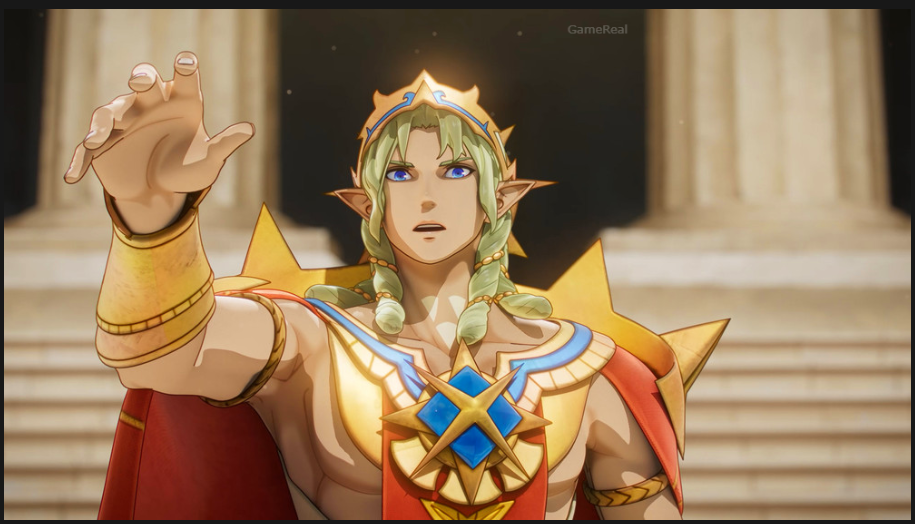
The narrative is set in the prosperous Dagdan Empire, a land long ruled by the gods. In the capital city of Dagsion, the Heroic Games draw powerful fighters from across the continent. The winner is granted one wish. Players begin by choosing one of four protagonists, each driven by a personal goal:
- Cai is a young boy determined to win so he can free his imprisoned father.
- Dietrich is a swordsman constantly seeking stronger opponents.
- Theodora is a queen working to fulfill the long-held dream of her homeland.
- Leda is a musician motivated by revenge.
Each hero’s path through the Heroic Games forms its own route. After the tournament, the story expands into a larger time-traveling conflict. Five years later the empire faces annihilation at the hands of the resurrected demon god Balor. The progenitor god Sothis (a key figure from Fire Emblem: Three Houses) intervenes, and the player character is given the chance to travel back and alter the fates of the four heroes so they can stand against the coming disaster. The goddess of fate, Fortuna, also plays a central role in the time-manipulation mechanics.
The structure allows characters recruited across different routes to have their growth and data merge when paths converge, preserving progress in a meaningful way.
Free Time and Exploration in Dagsion
Between major matches of the Heroic Games, players receive limited free time to prepare. The capital city of Dagsion serves as the primary hub. Activities include:
- Training at dedicated grounds to hone skills and learn new techniques
- Recruiting new allies and building support bonds through meals, conversations, and shared activities
- Shopping for weapons, items, and equipment
- Spectating other competitors’ matches
- Performing side tasks for townsfolk or the temples
Players can also leave the city walls to explore the wider region of Dagda. Outside Dagsion they encounter random skirmishes, bandits, monsters, and fully fledged dungeons. Time management matters: every action consumes part of the limited window before the next tournament match, so players must prioritize carefully.
This free-time system draws clear inspiration from Fire Emblem: Three Houses while expanding the sense of a living city and surrounding countryside.
Combat Systems
The core of Fortune’s Weave remains classic Fire Emblem turn-based tactical combat on grid-based maps. Players deploy units, position them carefully, and take turns moving and attacking. Weapon range, terrain advantages, unit strengths and weaknesses, and support bonuses all influence the outcome. Returning systems include Combat Arts (powerful techniques that consume weapon durability), Crests, and Hero’s Relics.
New additions reshape the tactical options. Blaze Arts function similarly to Combat Arts but cost the user’s HP instead of weapon durability, encouraging careful risk-reward decisions. New mounts such as the Ornius expand movement and battlefield roles. Some advanced classes and special units (including chariot-style units) gain unique abilities that can affect entire rows or provide utility beyond standard attacks.
Dungeon encounters use a different combat style. Instead of the grid-based system, these fights adopt a more traditional party-based turn-based format reminiscent of older Japanese RPGs. Allies can link together for coordinated attacks, and the focus shifts to party composition and combo potential rather than spatial positioning.
A notable quality-of-life feature is Fortuna’s Blessing, which allows players to rewind to earlier points within a battle after each move. This reduces the frustration of permanent unit loss while still preserving the series’ strategic tension.
Classes, Progression, and Customization
Players begin with a selection of foundational classes such as Gladiators, Diviners, and Ornius Riders. These form the base for later promotions and specialization. Units grow through combat experience, training, and support relationships. The ability to recruit characters across routes and carry their developed strengths forward adds long-term continuity for players who plan multiple playthroughs.
Weapon types each carry distinct baseline mechanics rather than relying solely on a traditional weapon triangle, giving every category clearer identity and utility on the battlefield.
What Sets Fortune’s Weave Apart
The combination of tournament structure, free-time management, dual combat systems, and multi-route time-travel storytelling gives Fortune’s Weave a distinct identity within the series. It retains the strategic depth and character-focused writing that define Fire Emblem while expanding exploration and preparation options beyond pure chapter-to-chapter progression. The presence of Sothis and Crest-related systems creates clear ties to Three Houses without simply repeating that game’s academy formula.
Early previews have highlighted the scale of the hub city, the density of optional activities, and the satisfying feel of both the tactical maps and the dungeon battles. The limited free-time windows create meaningful decisions about how to spend each preparation period, rewarding players who plan efficiently.
Final Thoughts
Fire Emblem: Fortune’s Weave launches on September 17, 2026, exclusively for Nintendo Switch 2. Digital copies cost $69.99, physical standard editions $79.99, and the premium Dagdan Collection $119.99. Players guide one of four protagonists through the Heroic Games in Dagsion, then step into a larger time-traveling conflict involving Sothis, Fortuna, and the demon god Balor. Between matches they manage limited free time in a rich hub city and the surrounding countryside, recruit and train allies, and prepare for both traditional grid-based tactical battles and a separate dungeon combat system.
With returning series staples such as Combat Arts, Crests, and support bonds, plus new systems like Blaze Arts and expanded exploration, Fortune’s Weave looks positioned as a substantial and ambitious entry. Whether you prioritize deep character stories, careful resource management, or pure tactical combat, the game offers multiple ways to engage with its world. Pre-order if you want day-one access, and prepare to weave the fates of four heroes into one larger tale.