
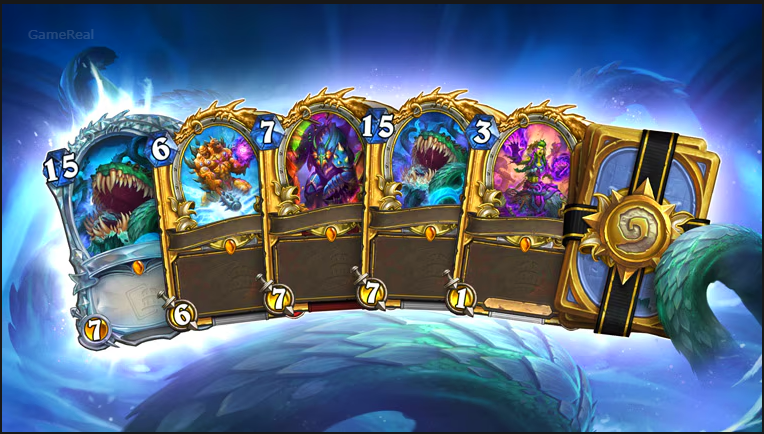
Hearthstone Arena Reset: Fall of Ulduar Pool & Guide
When Patch 27.4 went live on September 19, 2023, Hearthstone closed every active Arena run and opened a brand-new season tied to the Fall of Ulduar mini-set. Players who still had unfinished runs received the reward corresponding to the number of wins they had reached, along with a free ticket to start fresh in the updated pool. The change was more than a simple seasonal reset. It introduced a carefully chosen mix of card sets, a short period of universal Anomalies, and a handful of targeted bans that shaped the way the format played for the next several weeks.
This guide walks through everything that mattered in that rotation: the exact sets that entered the draft, the cards that were removed, how the early meta developed, and the practical drafting and play patterns that consistently produced high-win runs.
The Exact Card Pool
The Arena draft for the Fall of Ulduar season was built from these sets:
- Core
- Path of Arthas
- Rise of Shadows
- Madness at the Darkmoon Faire
- Forged in the Barrens
- Festival of Legends
- TITANS (including every card from the Fall of Ulduar mini-set)
The combination created a mid-range heavy environment with strong Discover tools and solid early-game options. Rise of Shadows and Madness at the Darkmoon Faire brought back many of the flexible value generators that Arena players had missed. Forged in the Barrens and Festival of Legends supplied modern synergy pieces and efficient minions. TITANS and its mini-set added the newest powerful legendaries and late-game threats. Core and Path of Arthas filled in the gaps with reliable basic tools and class-specific power cards.
Because mini-set cards travel with their parent expansion, every Fall of Ulduar card was available in the draft from day one.
Important Bans and Restrictions
Blizzard removed or restricted several cards that had proven too consistent or too polarizing in previous seasons. The following cards were banned from initial deckbuilding and from all card pools:
Tess Greymane, Fencing Coach, Blackwald Pixie, Caldarra Drake, Fallen Hero, Garrison Commander, Maiden of the Lake, Justicar Trueheart, Raza the Chained, Auctionmaster Beardo, Zayle, Shadow Cloak, Cho’gall, and Twilight Chieftain.
Yogg-Saron, Unleashed was banned from the regular card pools but remained legal as a possible first-pick legendary. Astral Communion, Aviana, Patches the Pirate, and Wilfred Fizzlebang were removed from draft buckets entirely.
These changes cut down on extreme value engines and pure stall strategies. The result was a format that rewarded boards and tempo more than pure card advantage.
How the Draft Actually Felt
The first few days of any new Arena season are always a little chaotic while players learn the new offering rates and the relative strength of returning cards. In the Fall of Ulduar pool the strongest drafts tended to share a few common traits.
Early curve was critical. Decks that could consistently play a two-drop and a three-drop felt significantly stronger than decks that skipped the early game in favor of big late-game bombs. The available two-drops from Forged in the Barrens, Festival of Legends, and Core were efficient enough that falling behind on board was difficult to recover from.
Discover effects remained high priority. Cards that generated extra resources without requiring heavy setup continued to perform well because the pool contained enough strong mid-game minions to make the discovered cards relevant.
Removal was plentiful but not overwhelming. Soft removal and bounce effects appeared often enough that pure go-wide strategies needed support from sticky minions or deathrattles. Hard removal that could also answer larger TITANS threats was especially valuable.
Legendary first picks still set the direction of many runs. Strong board-focused legendaries or flexible removal packages were preferred over high-variance “win-the-game” legendaries that required specific supporting cards.
Class Trends in the Early Weeks
Tempo and aggressive classes generally posted the highest win rates in the opening period of the season. Classes that could curve smoothly and apply pressure benefited from the available early minions and the relative scarcity of ultra-efficient defensive tools. Control decks remained viable when they drafted cleanly, but they needed strong early picks to survive the faster starts that were common in the pool.
As the season progressed and more data accumulated, the gap between the top and middle classes narrowed. Clean drafting and correct sequencing mattered more than simply picking the statistically strongest class.
Practical Drafting Advice
Start by protecting your early turns. A reliable two-drop and three-drop should be among your highest priorities in the first ten to twelve picks. Once the curve is secure, look for efficient removal and sticky mid-game minions.
Take Discover effects highly when they appear. The extra cards they generate often more than make up for a slightly lower raw power level on the Discover card itself.
Do not overvalue pure late-game bombs unless the rest of the draft already has a solid curve. A powerful six-drop is much stronger when the board is already contested than when you are still trying to stabilize from turn three.
Pay attention to the bans. Several classic value engines that players automatically clicked in older seasons were no longer available. Forcing those strategies usually led to underpowered decks.
Playing the Games
Because the pool rewarded board presence, the early and mid-game trades were often more important than pure face damage. Clearing the opponent’s board while developing your own frequently created larger advantages than racing to the opponent’s hero.
Anomalies appeared in every game during the first week. Some favored aggressive strategies, others helped control or mid-range plans. The best approach was to identify the Anomaly quickly during the mulligan and adjust the game plan accordingly. After the first week the frequency dropped sharply, and most of the remaining season played under normal rules.
Mulligan decisions should prioritize early minions and flexible removal. Keeping expensive cards in the opening hand was rarely correct unless the rest of the hand already contained a smooth curve.
Rewards and Season Structure
Standard Arena rewards applied throughout the season. Higher win totals produced better packs, dust, and gold. The leaderboard also reset with the new season, giving every player a clean slate. Players who finished their previous runs before the patch received the appropriate reward tier plus a free ticket, which made the transition relatively painless.
Why This Rotation Stood Out
The Fall of Ulduar Arena season is remembered as a balanced and skill-intensive period. The combination of returning Discover tools, solid early-game options, and carefully chosen bans produced a format that rewarded clean drafting and careful play more than extreme synergy or pure luck. The short Anomaly week added an interesting temporary layer without defining the entire season.
Looking back, the core lessons from that rotation still apply whenever Arena receives a similar mixture of mid-range friendly sets. Protect the early curve, take efficient interaction, leave room for a few powerful late-game cards, and adapt to the specific tools the pool offers. Those principles carried many players to consistent high-win runs during the Fall of Ulduar season and remain useful any time the draft pool shifts in a comparable direction.
Whether you are studying past rotations for improvement or simply revisiting one of the more well-regarded Arena seasons of recent years, the Fall of Ulduar pool offers a clear example of how thoughtful set selection and targeted bans can create a healthy, enjoyable limited format.