
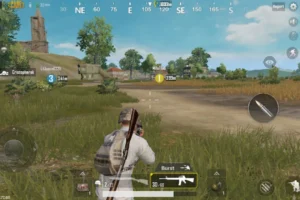
PUBG Beginner to Pro Guide: Best Landing Strategies, Combat Skills, Looting Tips, and Winning Tactics
PUBG has become one of the most recognizable battle royale games, combining shooting mechanics, survival strategy, exploration, teamwork, and competitive gameplay. Every match begins with a simple objective: enter the battlefield, collect useful equipment, survive against opponents, and become the last player or team standing. Although the concept sounds straightforward, becoming consistently successful requires practice and smart decision-making.
New players often concentrate heavily on getting eliminations, but PUBG rewards much more than aggressive shooting. A player must understand when to fight, when to retreat, how to use cover, how to rotate with the safe zone, how to manage inventory, and how to communicate with teammates. Even a player with excellent aim can lose a match because of poor positioning or an unnecessary fight.
This detailed PUBG guide explains practical strategies for beginners and experienced players. It covers landing decisions, looting, weapon selection, recoil control, movement, positioning, vehicles, grenades, team communication, zone rotations, final-circle tactics, common mistakes, and ways to improve your overall gameplay.
Why PUBG Requires More Than Good Aim
Aiming is certainly an important part of PUBG, but it is only one part of the overall experience. A successful player needs mechanical skill as well as game awareness. Knowing where opponents are likely to be, understanding the terrain, predicting rotations, and choosing the right moment to engage can provide a major advantage.
Imagine two players facing each other. One player has slightly better aim but is standing in an open field. The other player has a strong piece of cover and a clear escape route. The player with better positioning may win even without having superior mechanical skill.
This is why PUBG should be approached as a combination of combat and strategy. The goal is not simply to shoot first. The goal is to create situations where your chances of winning are as high as possible.
Choose the Right Landing Location
Your first important decision happens before you even touch the ground. Choosing a landing location can influence the amount of loot, the number of early enemies, and the overall pace of your match.
Highly populated areas can contain valuable loot but also attract many players. If you enjoy aggressive gameplay and want immediate fights, these locations can be useful. However, if you are still learning the game, a quieter area can give you more time to prepare.
How Beginners Should Choose a Landing Spot
Beginners should consider landing in areas that offer reasonable loot without creating unnecessary early pressure. Look for buildings, compounds, and locations where you can quickly obtain a weapon, armor, ammunition, and healing supplies.
Once you become more confident, you can experiment with more crowded locations to improve your close-range combat skills.
| Landing Type | Risk | Loot Opportunity | Recommended Playstyle |
|---|---|---|---|
| Hot Drop | Very High | High | Aggressive |
| Medium Activity Area | Moderate | Good | Balanced |
| Quiet Area | Low | Moderate | Strategic |
| Remote Area | Very Low | Variable | Survival-focused |
Land Quickly and Prepare Immediately
Once you have selected your landing location, focus on reaching the ground efficiently. The first few moments after landing can be extremely important because nearby opponents may also be searching for weapons.
Do not spend too much time looking for perfect equipment. Your first goal should be obtaining any reliable weapon. After that, find ammunition and basic protection.
If you land near an opponent and do not have a weapon, avoid unnecessary exposure. Search the nearest building or move toward a safer location where you can obtain equipment.
Master the Art of Efficient Looting
Efficient looting is one of the easiest ways to improve your PUBG performance. Many beginners open every room and pick up almost every item they find. This wastes time and fills the inventory with equipment they may never use.
Develop a simple priority system. Find a weapon first, then ammunition, armor, a helmet, healing supplies, and useful attachments. Once your basic equipment is ready, stop searching every building unless you specifically need something.
Basic Looting Priority
- Primary weapon
- Compatible ammunition
- Helmet
- Body armor
- Healing items
- Secondary weapon
- Weapon attachments
- Boost items
- Grenades and other tactical equipment
As the match progresses, your priorities can change. If your inventory already contains enough ammunition, you may benefit more from carrying additional healing supplies or tactical equipment.
Choose Weapons According to Your Playstyle
PUBG provides different weapon categories designed for different situations. Instead of searching for one universally best weapon, learn which weapons fit your style.
Assault rifles are generally versatile and can be useful across several distances. SMGs are often suitable for fast close-range engagements. Shotguns can be powerful at very short distances. DMRs and sniper rifles provide options for players who prefer long-range engagements.
| Weapon Category | Best Situation | Key Advantage | Potential Limitation |
|---|---|---|---|
| Assault Rifle | General combat | Versatile | Requires recoil control |
| SMG | Close range | Fast handling | Less suitable for distant targets |
| Shotgun | Very close range | Strong close-range impact | Limited effective range |
| DMR | Medium to long range | Precision and repeated shots | Requires accuracy |
| Sniper Rifle | Long range | High precision | Less effective during rapid close fights |
| LMG | Sustained fights | Large ammunition capacity | Can require stronger recoil management |
Build a Balanced Loadout
A balanced loadout gives you options. If you carry two weapons designed for exactly the same range, you may struggle when the situation changes.
Consider combining a flexible primary weapon with a weapon designed for a different engagement distance. For example, a player comfortable with assault rifles might pair one with a close-range weapon or a precision weapon depending on personal preference.
Your loadout should also match the map and your expected style of play. Urban areas may produce more close-range encounters, while open terrain can create opportunities for longer engagements.
Learn Recoil Control
Recoil control is an essential skill for players who want to become more accurate with automatic weapons. Simply pointing the crosshair at an enemy is not enough when repeated shots cause the weapon to move.
Spend time learning the behavior of the weapons you use most frequently. Practice controlled bursts before attempting long sprays. This will help you understand how the weapon behaves and how much correction is necessary.
Simple Recoil Training Method
Choose one weapon and practice shooting targets at several distances. Begin with short bursts, then increase the length of your sprays. Practice while standing and moving so that your aim becomes more comfortable during realistic encounters.
Do not change your control settings after every unsuccessful fight. Consistency is important because your muscle memory needs time to develop.
Use Attachments to Improve Weapon Handling
Attachments can improve the performance or handling of weapons. Depending on the weapon and available attachment, you may gain improvements related to recoil, stability, aiming, reload behavior, or other characteristics.
Rather than picking up every attachment, prioritize those that actually improve the weapons you are carrying. Inventory space is limited, so unnecessary equipment should not take priority over healing items or ammunition.
Understand the Importance of Positioning
Positioning is one of the most important strategic concepts in PUBG. A good position provides cover, visibility, and multiple movement options.
Before starting a fight, look at the terrain around you. Ask yourself whether you can retreat if necessary. Think about whether another team could attack you from a different direction.
Strong positions often include elevated terrain, buildings, compounds, rocks, walls, and other areas that provide useful cover.
Questions to Ask Before Fighting
- Do I have cover?
- Can the enemy see me clearly?
- Where is the next safe zone?
- Do I have enough ammunition?
- Do I have enough health?
- Can my teammates support me?
- Where can I retreat if the fight becomes dangerous?
Never Underestimate Cover
Cover can turn a difficult fight into a favorable one. When possible, move between areas of protection instead of crossing open ground without a plan.
Before leaving your current cover, identify your next cover. This simple habit can reduce the amount of time you spend exposed.
Remember that cover does not make you completely safe. Opponents may attack from multiple directions or use tactical equipment to force you out of your position.
Improve Your Movement
Movement is another important part of PUBG combat. Standing still makes you an easier target, particularly when an opponent has already identified your position.
However, movement should have a purpose. Random movement without considering cover can make you easier to predict or place you in a worse position.
During close-range fights, controlled movement can make it harder for opponents to maintain their aim. During long-range engagements, positioning and cover usually become more important than constant movement.
Learn to Read the Safe Zone
The safe zone controls the pace of a PUBG match. As it becomes smaller, surviving players are forced into increasingly limited areas.
Always monitor the map and plan your next movement. If you are far from the next safe area, start moving before you become trapped outside the zone.
At the same time, avoid blindly rushing into the center. The center may already be occupied by other players. Sometimes a position near the edge of the safe zone can provide useful opportunities, depending on the terrain and situation.
Master Rotation Strategy
Rotation refers to moving from your current location toward a new position, usually because of the safe zone or tactical requirements.
Good rotations consider terrain, enemy positions, available cover, and transportation. A direct route is not always the safest route.
Early Rotation
Early rotation can allow you to reach a strong location before other players. You may secure a building, hill, or compound and prepare for incoming opponents.
Late Rotation
Late rotation allows you to gather more information before moving, but it can also be dangerous because you may have fewer safe routes available.
| Rotation Timing | Main Advantage | Main Risk |
|---|---|---|
| Early | Chance to secure strong terrain | May encounter players already positioned there |
| Medium | Balanced approach | Requires good timing |
| Late | More information about movement | Greater risk during rotation |
Use Vehicles Strategically
Vehicles are useful when you need to cover large distances quickly. They can help you escape an approaching zone and reach distant locations more efficiently.
However, vehicles can also reveal your location because of their noise. During the late game, this can become especially important because fewer players remain and audio information becomes more valuable.
Use vehicles when the benefit of speed is greater than the disadvantage of making noise. When you reach your destination, consider where you leave the vehicle because it can indicate your presence to nearby opponents.
Listen Carefully to the Environment
Audio awareness can dramatically improve your gameplay. Footsteps can reveal nearby enemies, while gunfire can provide information about fights happening elsewhere.
Vehicles can also indicate that another player or squad is moving through an area. If you hear something unexpected, do not immediately ignore it.
Develop the habit of stopping briefly to identify important sounds. Good audio awareness can help you avoid ambushes and prepare for incoming fights.
Use Grenades Effectively
Grenades can provide tactical advantages when used at the correct time. They can force opponents away from cover, create temporary protection, or disrupt defensive positions.
Smoke grenades can be useful when you need to cross an exposed area, revive a teammate, or escape from a difficult position.
Frag grenades can pressure opponents hiding inside buildings or behind cover. Timing is important because an opponent who notices the grenade may have enough time to move away.
Do Not Save Every Grenade Until the End
Some players carry tactical equipment throughout the entire match without using it. This can be a mistake. If a grenade can provide a meaningful advantage in the current situation, use it.
Play Buildings Carefully
Buildings can provide excellent protection but can also create dangerous close-range encounters.
When approaching a building, listen for footsteps and consider whether doors have been opened. Avoid rushing through an entrance without thinking about possible enemy positions.
Use corners and walls to limit how much of your body is exposed. If you know an opponent is inside, try to gain information before committing to an attack.
Improve Close-Range Combat
Close-range combat requires fast reactions and good positioning. Your weapon selection becomes especially important in these situations.
Avoid standing directly in front of an opponent without cover. Use movement and environmental objects to create better angles.
Do not reload automatically after every small exchange. If an enemy is nearby, reloading at the wrong time can create an unnecessary disadvantage.
Improve Long-Range Combat
Long-range combat requires patience and precision. Do not shoot at every player you see. Consider whether you have enough accuracy to produce a useful result.
Firing repeatedly from the same location can reveal your position. If you have engaged an opponent from a fixed location, consider moving afterward if the terrain allows it.
Long-range combat is often about creating pressure rather than immediately securing an elimination. Even forcing an opponent to remain behind cover can create opportunities for your team.
Master Squad Communication
Squad communication can determine whether a team wins or loses an important fight. Teammates should communicate enemy positions, movement plans, zone information, and available resources.
Keep communication short and clear during combat. Long explanations can make it difficult for teammates to understand urgent information.
| Information | Example | Purpose |
|---|---|---|
| Enemy Location | Enemy near the building | Warn teammates |
| Enemy Movement | They are moving toward the hill | Prepare for attack |
| Zone Plan | Rotate toward the next safe area | Keep squad coordinated |
| Loot | Extra ammunition available | Share resources |
| Attack Plan | Push together | Coordinate combat |
Stay Close Enough to Support Teammates
Squad members should avoid becoming completely separated. You do not need to stand in one exact location, but you should remain close enough to support each other.
If one teammate engages an enemy while the rest of the squad is too far away, the isolated player may be eliminated before support arrives.
Good squad spacing allows teammates to cover different angles while still maintaining the ability to help each other.
Be Careful After Eliminating an Enemy
One of the most dangerous moments in PUBG is immediately after an elimination. Players often become focused on collecting the defeated opponent’s loot and forget about nearby enemies.
Before looting, scan the surroundings and listen for movement. If you have just participated in a loud fight, assume that another player may have heard the gunfire.
Loot only the items you actually need and move back to safety as quickly as possible.
Understand Third-Party Fights
A third-party fight happens when another player or team attacks while two other sides are already engaged. These situations are common because gunfire can attract nearby players.
If you are already fighting, watch your surroundings. If you hear another team approaching, decide whether continuing the original fight is still worthwhile.
If you hear two other teams fighting nearby, you may have an opportunity to attack them while they are distracted. However, do not rush blindly into the situation. The third party can easily become the target of another team.
Manage Health and Boost Items
Health management is essential. Entering a major fight with very low health can put you at an unnecessary disadvantage.
Try to heal when you have a safe opportunity. Boost items can also provide additional benefits depending on the current game mechanics.
Before a major engagement, quickly check your health, ammunition, armor, and available healing supplies.
Survive the Mid-Game
The mid-game is where many players make unnecessary decisions. The initial chaos has reduced, but many opponents remain alive and are often better equipped.
Focus on positioning and rotation. You do not need to chase every distant enemy. If an opponent is not threatening you and engaging them provides little benefit, consider staying focused on your own objective.
Survival becomes increasingly valuable as the match progresses.
Prepare for the Final Zone
The final zone is usually much more intense than the beginning of the match. There are fewer players, less space, and fewer safe positions.
At this stage, information becomes extremely valuable. Listen for footsteps, monitor gunfire, and avoid exposing yourself unnecessarily.
If you already have strong cover, do not leave it without a reason. If you need to rotate, identify the safest available route.
Final Zone Priorities
- Stay inside the playable area.
- Find strong cover.
- Maintain high health.
- Keep enough ammunition.
- Listen for nearby players.
- Avoid unnecessary gunfire.
- Monitor enemy movement.
- Move only when required.
- Take fights that provide a clear advantage.
Common PUBG Mistakes That Players Should Avoid
Understanding mistakes is one of the fastest ways to improve. Many players lose matches because they repeat the same bad habits.
One common mistake is chasing enemies too far. You may begin with a favorable position and end up in open terrain simply because you wanted another elimination.
Another mistake is spending too much time looting. Good equipment is useful, but equipment does not matter if you are caught outside the safe zone or attacked while standing exposed.
Common Mistakes
- Fighting without cover.
- Ignoring the safe zone.
- Looting for too long.
- Chasing every enemy.
- Standing still after firing.
- Reloading at the wrong time.
- Ignoring audio information.
- Separating too far from teammates.
- Using vehicles without considering noise.
- Looting immediately after an elimination without checking the area.
Practice With a Purpose
Playing many matches is helpful, but purposeful practice can improve skills faster. Identify your biggest weakness and work specifically on it.
If your aim is weak, practice aiming and recoil control. If you frequently die while rotating, focus on map awareness and movement. If you lose close-range fights, practice movement and weapon handling.
Try not to change your controls constantly. Consistency allows your muscle memory to develop.
Review Your Matches
After a difficult elimination, take a moment to think about what happened. Instead of blaming luck or the opponent, examine your own decision.
Ask whether you had cover, whether the zone influenced the fight, whether you had enough health, and whether you could have chosen a better position.
Over time, recognizing these patterns can help you make better decisions automatically.
Build a Consistent PUBG Routine
A simple routine can make your gameplay more consistent. Start by selecting a landing location appropriate to your current goal. After landing, quickly obtain basic equipment. Then check your map position and the direction of the next safe zone.
Before each major fight, evaluate the situation. After each fight, check your surroundings. Before each rotation, identify your destination and possible cover.
These habits may seem basic, but repeating them every match can make a major difference.
PUBG Strategy Checklist
| Match Stage | Main Focus | Important Action |
|---|---|---|
| Landing | Immediate survival | Find a weapon quickly |
| Early Game | Preparation | Collect essential equipment |
| Mid Game | Positioning | Plan rotations |
| Late Game | Information | Watch enemy movement |
| Final Zone | Survival | Use cover and make careful decisions |
How Beginners Can Improve Faster
Beginners should avoid trying to learn everything at once. Start with the most important fundamentals: movement, looting, weapon control, positioning, and zone awareness.
Play different situations and learn from your mistakes. You may lose several fights while learning close-range combat, but those experiences will help you understand how opponents move and how quickly you need to react.
Do not judge progress only by your number of eliminations. Surviving longer, rotating more effectively, and making smarter decisions are equally important signs of improvement.
How Experienced Players Can Improve Further
Once your basic mechanical skills become reliable, focus on decision-making. Analyze whether every fight is worth taking and whether your position gives you enough options.
Experienced players can also improve their ability to predict enemy behavior. Think about where opponents are likely to rotate from, which buildings they might use, and where they may be positioned based on previous gunfire.
The more information you can gather before committing to an action, the more effectively you can control a match.
Final Thoughts
PUBG is a game where smart decisions can be just as important as fast reactions. Winning consistently requires a combination of combat skill, map awareness, positioning, resource management, movement, and patience.
Start by improving your landing choices and looting efficiency. Then work on weapon control, recoil management, cover usage, and safe-zone rotations. As you become more comfortable, focus on tactical grenades, third-party awareness, squad communication, and final-zone strategy.
Do not feel that you need to fight every opponent. Sometimes the best decision is to avoid a fight and move into a stronger position. A successful PUBG player knows how to recognize opportunities while also understanding when the risk is too high.
Every match can teach you something. If you lose because of poor positioning, improve your positioning. If you lose because you rotated late, plan your movement earlier. If you lose close-range fights, practice your aim and movement. Consistent improvement comes from identifying problems and working on them.
Whether you prefer aggressive hot drops, strategic rotations, long-range engagements, or coordinated squad gameplay, PUBG provides many ways to develop your own style. Keep practicing, stay aware of your surroundings, communicate effectively with teammates, and make decisions based on the situation rather than emotion.
With patience and regular practice, you can gradually improve your survival time, combat performance, positioning, and overall consistency. The road from beginner to experienced PUBG player is built one match at a time, and every match provides another opportunity to learn.