
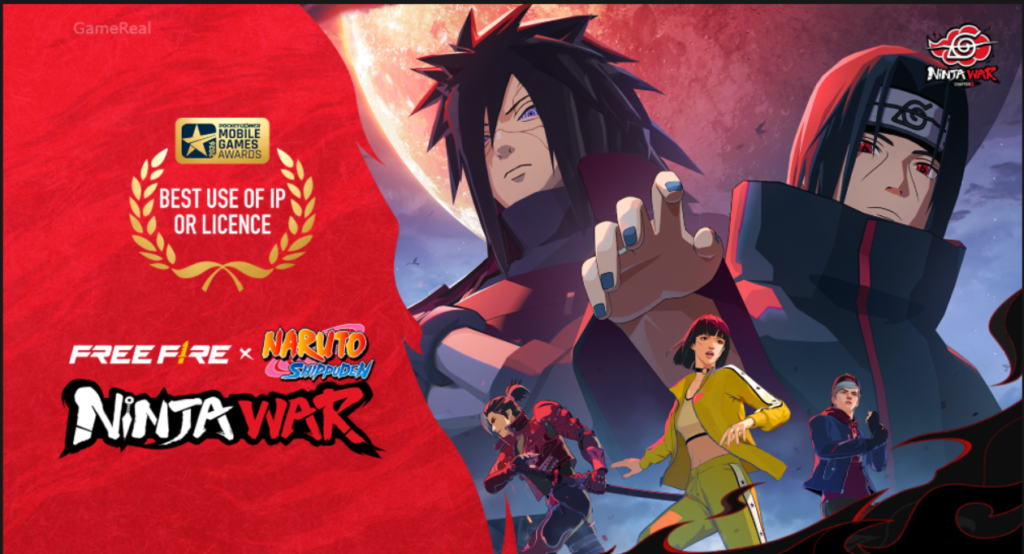
Why Free Fire x Naruto Won a 2026 Gaming Award
In August 2026, Free Fire walked away from the Pocket Gamer Mobile Games Awards with a meaningful industry honour. The Free Fire x NARUTO SHIPPUDEN Chapter 2: Ninja War collaboration was named the winner of the Best Use of IP or Licence category. In a year filled with high-profile mobile partnerships, this particular crossover stood out enough to take the top spot.
Awards like this are not given for popularity alone. The Best Use of IP or Licence category specifically rewards collaborations that treat licensed material with care, integrate it into gameplay in meaningful ways, and create an experience that feels authentic to both the source franchise and the host game. Free Fire’s work with Naruto succeeded on all of those fronts. Here is a clear look at why the collaboration earned formal recognition.
It Went Far Beyond Cosmetic Skins
Many licensed events in mobile games stop at character outfits, weapon wraps, and lobby animations. Those elements are enjoyable, but they rarely change how the game feels to play. Free Fire’s Naruto collaboration, especially in Chapter 2, treated the licence as a foundation for temporary systems rather than just a visual theme.
The introduction of Akatsuki Keepsakes and a full suite of Jutsu abilities gave players new tools that altered decision-making in real matches. Collecting Keepsakes in special Tsukuyomi zones created high-stakes moments on the map. Using abilities such as Flying Raijin teleportation, Amaterasu flames, Sand Shield, or Sharingan skill-copying added tactical variety that pure cosmetics cannot provide.
When a collaboration changes the way matches play out, even for a limited time, it leaves a stronger impression on both players and judges. That depth of integration was one of the clearest reasons the project stood out.
Strong Respect for the Source Material
Successful IP collaborations require more than name recognition. They need to feel true to the original work. Free Fire’s Naruto events demonstrated a clear understanding of the franchise’s tone, characters, and iconic techniques.
Character bundles for Itachi, Minato, Madara, Obito, Pain, and Orochimaru featured careful design work, distinctive animations, and thematic effects. The Jutsu list drew directly from well-known abilities without feeling forced into Free Fire’s systems. Map changes that brought elements of the Hidden Leaf Village, the Divine Tree, and darker Akatsuki-inspired zones helped sell the fantasy that players had stepped into a version of the ninja world.
This level of care matters to awards juries. It shows the development team did not treat the licence as a quick marketing opportunity. They invested the effort required to make the crossover feel legitimate.
Balanced Free and Premium Progression
Another strength of the collaboration was its reward structure. Free Fire has long understood that major events need to offer something meaningful to free-to-play players while still providing premium targets for collectors.
Chapter 2 delivered a solid free track through missions, trials, and Keepsake collection. Players could earn titles, headbands, parachutes, smaller cosmetics, and progression items without spending. At the same time, high-end animated bundles, exclusive weapon skins, and complete character sets gave paying players clear aspirational goals.
This balance is harder to achieve than it looks. Events that feel too stingy frustrate the wider audience. Events that give away everything reduce the appeal of premium content. Free Fire’s Naruto collaboration found a workable middle ground that kept both groups engaged, and that kind of thoughtful economy design is often rewarded in industry evaluations.
Temporary Systems Created a Sense of Occasion
Limited-time abilities and map features gave the event a distinct identity. The Tsukuyomi zones, Divine Tree airdrops, Red Moon phase in Clash Squad, and the Ninjutsu Lone Wolf 1v1 mode all contributed to the feeling that something special was happening.
When players know that certain powers and map elements will disappear after the event ends, those features feel more valuable during the window they are available. The collaboration turned regular matches into something closer to a seasonal festival with its own rules and fantasy. That sense of occasion is difficult to manufacture and easy to recognise when it works.
Cultural Fit and Audience Alignment
Naruto remains one of the most widely recognised anime franchises in the regions where Free Fire has its largest player bases. The natural overlap between the two audiences created organic excitement that no amount of marketing spend can fully manufacture.
Because the licence already carried strong emotional weight for many players, the collaboration did not need to spend its entire effort explaining who the characters were. It could focus instead on delivering satisfying gameplay systems and high-quality presentation. That alignment between the IP and the game’s core audience made the event feel like a natural fit rather than a forced partnership.
Execution Across Multiple Chapters
The award specifically recognised Chapter 2: Ninja War, but the success of that phase rested on the foundation built in Chapter 1. Free Fire did not treat the collaboration as a one-and-done marketing campaign. It returned to the licence, expanded the roster, deepened the systems, and refined the presentation.
This longer-term approach signals confidence and commitment. Many mobile collaborations appear once and vanish. Sustaining a partnership across multiple chapters and continuing to improve the experience shows a level of creative investment that industry observers notice.
Industry Context and Competitive Field
The Pocket Gamer Mobile Games Awards attract a wide range of strong entries every year. The Best Use of IP or Licence category routinely includes major publishers and high-profile licences. Winning against that field indicates that Free Fire’s work was judged superior in integration, creativity, and overall quality.
For a long-running battle royale to take the award also carries extra weight. Live-service games face constant pressure to keep content fresh. Demonstrating that a major licensed event can still feel special years into a game’s life is an achievement in itself.
What the Win Ultimately Reflects
At its core, the award recognises a simple but difficult accomplishment: Free Fire took a beloved external franchise and made it feel at home inside its own systems without losing what makes either property special. The collaboration respected Naruto fans, served Free Fire players, introduced meaningful temporary mechanics, balanced free and paid rewards, and maintained quality across multiple phases.
Those are the ingredients of a strong licensed event. In 2026, the industry formally agreed that Free Fire had assembled them more effectively than the competition.
The trophy does not change the game’s current season or add new items to anyone’s inventory. What it does is confirm that the creative and design choices behind the Naruto collaboration were sound. For a live-service title that relies heavily on events and partnerships, that kind of external validation is both a celebration of past work and a useful signal for the future.
Free Fire x NARUTO SHIPPUDEN succeeded because it treated the licence as a creative opportunity rather than a marketing checkbox. That is exactly why it won.