
Free Fire Naruto Chapter 2: All Characters, Jutsu & Features
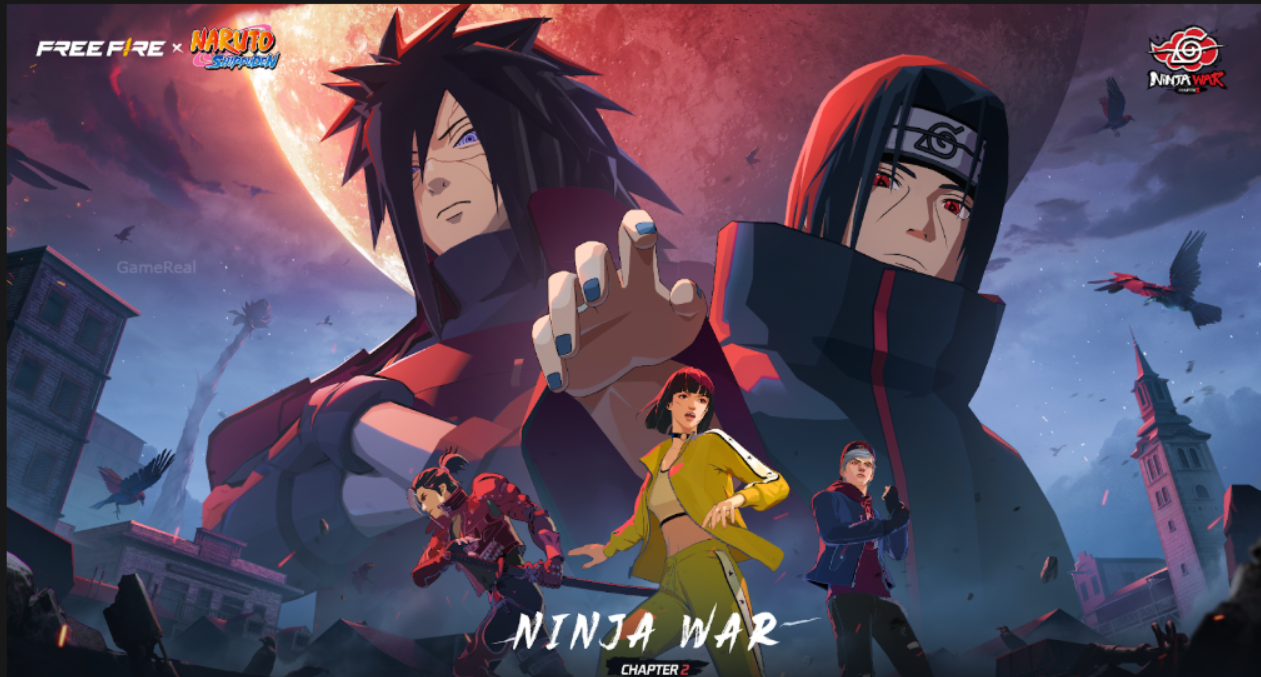
Free Fire x NARUTO SHIPPUDEN Chapter 2: Ninja War stands as one of the most ambitious collaborations the game has ever delivered. Building on the success of the first chapter, this phase transformed Bermuda with new zones, temporary ninja powers, faction-style mechanics, and a deep roster of iconic characters. It ran as a major limited-time event and later earned industry recognition for its strong use of licensed intellectual property.
This guide breaks down everything that defined Chapter 2 — the characters and bundles, the full list of Jutsu and Akatsuki Keepsakes, the special map features, new modes, and the reward systems that kept players engaged throughout the event.
Overview of Chapter 2: Ninja War
Chapter 2 shifted the tone from the Hidden Leaf-focused first collaboration toward a larger conflict between the Hidden Leaf Village and the Akatsuki. The map received heavy visual changes, including a Planetary Devastation Sphere overhead and the Divine Tree spreading its roots. Special Tsukuyomi-affected zones appeared across Bermuda, creating high-risk, high-reward areas where players could hunt for powerful Keepsakes.
The event mixed free progression tracks, premium bundles, temporary abilities, and mode-specific twists. It gave both casual players and dedicated collectors clear reasons to log in daily.
Main Characters and Bundles
Chapter 2 introduced or expanded several major characters from the Naruto series through high-quality bundles. These included detailed outfits, unique animations, voice lines, and special effects.
Key characters featured prominently:
- Itachi Uchiha — One of the most requested characters. His bundle included distinctive visual effects, a signature kunai, and in some versions a reverse-color transformation along with unique knockdown effects.
- Minato Namikaze — The Yellow Flash. His set focused on speed-themed trail effects and teleportation fantasy.
- Madara Uchiha — Presented with powerful armour-style designs and strong presence animations.
- Obito Uchiha — Featured in both standard and Ten-Tails Jinchuriki-inspired forms.
- Pain (Nagato / Pain Tendo) — Brought the intimidating presence of the Akatsuki leader.
- Orochimaru — Served as a major reward target through the Epic Ninja Trials, complete with bundle and avatar.
Additional supporting cosmetics and weapon skins tied into the Uchiha, Akatsuki, and broader ninja themes. Many bundles featured blinking or advanced animations that made the characters feel more alive in the lobby and in matches.
Akatsuki Keepsakes – The Core Power System
One of the defining mechanics of Chapter 2 was the Akatsuki Keepsake system. Special Tsukuyomi zones on the map each hid one Keepsake. Players could collect up to six different Keepsakes, and each one unlocked a unique ability inspired by an Akatsuki member.
The six Keepsakes and their effects were:
- Pain Tendo’s Keepsake — Pulls nearby opponents toward the user, creating strong crowd-control potential.
- Konan’s Keepsake — Generates paper bombs near enemies within range.
- Deidara’s Keepsake — Deploys a controllable clay bird that can be detonated mid-air for explosive damage.
- Itachi’s Keepsake — Unleashes Amaterasu black flames that deal damage over time and ignore many obstacles.
- Kisame’s Keepsake — Summons sharks that deal additional damage to enemies.
- Hidan’s Keepsake — Creates a defensive circle that helps deflect damage and assists with self-revival.
Collecting all six Keepsakes also unlocked the prestigious Akatsuki Title, along with other cosmetic rewards such as a Rogue Ninja Headband, themed parachute, and related items. The system rewarded aggressive map exploration while creating high-stakes moments when players contested the zones.
Full List of Jutsu Skills
In addition to the Keepsake abilities, Chapter 2 introduced eight Jutsu skills that players could access on the battlefield. These were inspired by legendary techniques from the series and added a strong tactical layer to matches.
The Jutsu list included:
- Sharingan — Copies the active skill of the nearest enemy, allowing players to turn an opponent’s power against them.
- Summoning: Katsuyu — Calls forth Katsuyu to heal and help revive nearby teammates.
- Izanagi Revive — Allows the user to self-revive with faster health recovery.
- Sand Shield — Grants extra shield points and improves shield recovery speed.
- Flying Raijin Jutsu — Lets the player mark a location with Minato’s kunai and teleport to it.
- Detonating Clay Bird — Summons a controllable explosive clay bird for aerial attacks.
- Paper Emissary Jutsu — Releases paper bombs that seek and explode around the nearest enemy.
- Shadow Stitching — Extends the user’s shadow to immobilize or heavily slow enemies caught in it.
These abilities could be found or activated through event systems and added significant variety to both Battle Royale and Clash Squad matches. Skilled use of teleportation, healing, crowd control, and area denial often decided close fights.
Map Changes and Special Features
The Bermuda map received major thematic updates during Chapter 2. The Hidden Leaf Village area was heavily altered, with the Divine Tree and Planetary Devastation elements creating a darker, more dramatic atmosphere. Tsukuyomi zones served as the primary locations for hunting Keepsakes and added new rotation and loot considerations.
In Clash Squad, Cyber Airdrops were transformed into Divine Tree Airdrops. Collecting enough Red Moon Points triggered the Red Moon phase, which changed the battlefield atmosphere, granted team buffs, and opened access to a limited-time shop. This created mid-match momentum shifts that rewarded coordinated squads.
Special coin machines also appeared in matches, offering temporary buffs themed around either Hidden Leaf or Akatsuki forces.
New and Modified Modes
Chapter 2 introduced or featured several mode variations:
- Ninjutsu Lone Wolf — A 1v1 mode focused on ninja tools and Jutsu usage. It rewarded precise timing, map control, and smart ability usage in compact arenas.
- Clash Squad with Red Moon mechanics — Added the Divine Tree Airdrop and Red Moon phase systems described above.
- Standard Battle Royale with full Jutsu and Keepsake integration.
These modes gave players different ways to experience the ninja fantasy, from large-scale chaos to pure 1v1 skill checks.
Reward Tracks and Progression
The event offered multiple ways to earn rewards:
- Epic Ninja Trials — Completing all five trials unlocked the Orochimaru Bundle and Avatar as the grand prize. Individual character challenges also awarded Royale Vouchers for Itachi, Pain Tendo, Madara, and Obito.
- Keepsake Collection — Gathering all six Keepsakes unlocked the Akatsuki Title and related cosmetics.
- Luck Royale / Premium Bundles — Featured high-end animated outfits for Itachi, Minato, Madara, Obito, and others, plus weapon skins such as the MP40 – Uchiha’s Legacy (with in-match transformation), themed melee weapons, and Akatsuki-styled guns.
- Free tracks and daily missions provided accessible cosmetics, tokens, and smaller rewards for consistent play.
Legacy of Chapter 2
Chapter 2: Ninja War is remembered as the phase that fully embraced the darker, more conflict-driven side of the Naruto universe inside Free Fire. The combination of collectible Keepsakes, a full suite of Jutsu, strong character bundles, and meaningful map and mode changes created an event that felt larger than a standard collaboration.
Its later recognition with the Best Use of IP or Licence award at the Pocket Gamer Mobile Games Awards 2026 confirmed what many players already felt — this was one of the most complete and well-executed licensed events Free Fire had produced.
Whether you experienced it live or are discovering the details now, Chapter 2 delivered a rich mix of characters, abilities, and features that successfully brought the ninja world into the battle royale format. The Hidden Leaf, the Akatsuki, and the full range of Jutsu left a lasting mark on the game.