
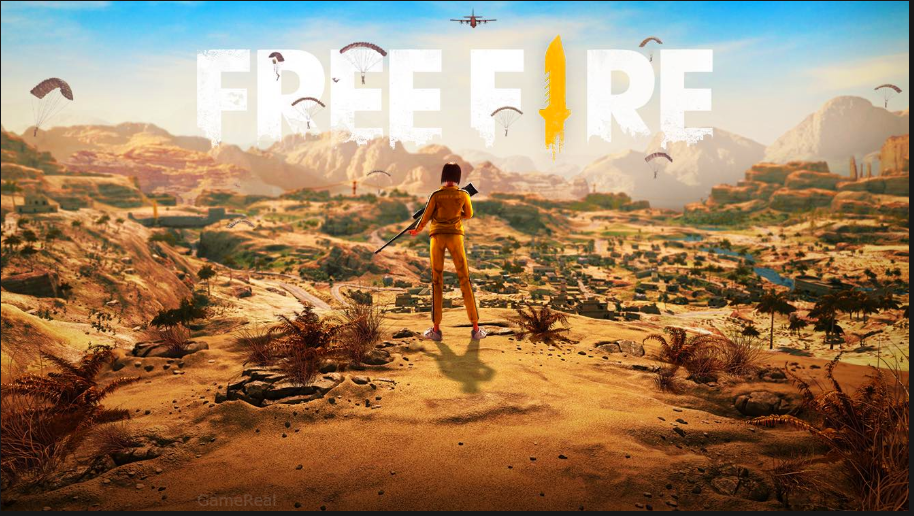
Free Fire OB55 Kalahari Map Changes in Clash Squad
Clash Squad has always rewarded map knowledge as much as aim. Small details in building layouts, sightlines, and cover can decide rounds when both teams know the angles. In the OB55 update Garena made targeted adjustments to several Clash Squad maps, with Kalahari receiving focused attention. The changes are not dramatic overhauls of the entire island. Instead they refine how the map plays at a tactical level so fights feel fairer and information is clearer.
This guide explains exactly what changed on Kalahari in Clash Squad, why those changes matter, how they interact with the other Clash Squad updates in OB55, and how the broader patch affects the mode. All information comes directly from the official OB55 patch notes so players can trust the details and apply them immediately.
What Exactly Changed on Kalahari
The official notes list two specific improvements for Kalahari in Clash Squad mode.
First, the minimap received a clear optimization. It now displays area layouts in greater detail. Players can see building footprints, key cover pieces, and internal structures more accurately than before. This may sound minor, but in a mode where every second counts and teams often rotate or hold angles based on limited information, a more readable minimap reduces guesswork. Knowing the exact shape of a building or the position of internal walls helps with pre-aiming, nade line-ups, and deciding whether a site is worth contesting.
Second, narrow railings were removed from certain buildings on Kalahari. Previously those thin railings could create situations where an enemy standing behind them became difficult or impossible to target properly. Shots would sometimes fail to register cleanly, leading to frustrating deaths and unbalanced holds. By removing the problematic railings the developers eliminated that inconsistency. Engagements in those buildings now play more predictably: if you can see the enemy, you can shoot them, and the same is true in reverse.
These two changes work together. Better minimap information helps players understand the new, cleaner layouts, while the removal of the railings ensures that the improved information actually translates into fair gunfights.
A related note in the same section mentions that a new piece of cover was added to Mammoth to improve balance on that map as well, and that outer edges of certain buildings on Bermuda were adjusted so players can no longer stand or shoot from those edges. The focus for Kalahari, however, remains the minimap clarity and the railing fix.
Why These Changes Improve Clash Squad on Kalahari
Kalahari has always offered a mix of open desert spaces and denser building clusters. In Clash Squad the shorter round structure and fixed buy phases make map control especially important. Teams that understand the strong and weak angles inside buildings can hold sites more effectively or execute cleaner takes.
The old narrow railings created an unintended advantage. A player who knew exactly where to stand could become hard to hit while still having a clear view of approaching enemies. That kind of inconsistency rewards map exploits more than pure skill. Removing the railings levels the playing field. Both the attacking and defending sides now face the same rules: cover protects you when it should, and open angles expose you when they should.
The improved minimap supports better decision-making under pressure. In the heat of a round it is easy to lose track of exact building shapes or the location of secondary entrances. A more detailed minimap reduces those moments of confusion. Players can glance down, confirm the layout, and adjust their crosshair or utility usage accordingly. Over many matches this small reduction in mental load adds up to cleaner plays and fewer unforced errors.
Together the changes make Kalahari feel more polished. The map still has its distinctive desert character and unique building designs, but the frustrating edge cases have been cleaned up. Competitive players will notice the difference quickly, especially in ranked Clash Squad where consistency matters more than in casual queues.
How the Kalahari Changes Fit with Broader Clash Squad Updates in OB55
The Kalahari adjustments sit inside a larger set of Clash Squad improvements. The biggest thematic change is the full NARUTO SHIPPUDEN collaboration treatment for the mode.
Ninjutsu and kunai are now available for purchase in the Clash Squad store. In the first round, pistols are replaced by shurikens. Cyber Airdrops become Ninjutsu Scroll Airdrops. The Hidden Leaf Village is added to the map pool. These changes bring the ninja theme into every corner of Clash Squad, from the buy menu to the mid-round economy to the available maps.
New throwables expand tactical options. The Flame Grenade creates a lasting burning area that damages players and melts Gloo Walls. The Sonar Grenade scans a radius and reveals enemy locations for a short time, giving valuable information for pushes or holds. Smoke Grenades receive an updated effect that matches the Smoke Vortex from the Tactical Market. With these tools teams can block routes, gather intel, and control space in new ways.
The combination of cleaner map geometry on Kalahari and stronger utility options changes how rounds develop. Teams can use the improved minimap to plan nade line-ups more accurately. The removal of problematic railings means that utility and gunfights resolve more cleanly once contact is made. The new throwables give both attackers and defenders additional ways to force or deny angles that the old railings once protected artificially.
Full Context of the OB55 Update
OB55 is a substantial content update that arrived in mid-September 2026. While the Clash Squad map changes are important for that mode, the patch also delivers major features across Battle Royale and the wider game.
The headline is the return of NARUTO SHIPPUDEN Chapter 1. In Battle Royale the Nine Tails can trigger different events at the start of a match: setting the plane on fire so players must eject early, opening Arsenals without keys on Bermuda, or creating a crater filled with loot. Mid-match, Sharingan Control points appear that let a player select an area for a Tailed Beast Bomb. The explosion deals heavy damage in a wide radius and leaves multiple flame spots that continue to burn players. The Hidden Leaf Village returns as a location and becomes the default cabin on all maps. A new Ninja Academy building includes an interactable swing that grants a permanent movement speed boost. Revival Points receive a Reanimation Jutsu visual so revived teammates rise from stone coffins with brief protection. Gamakichi summoning scrolls provide additional supplies across the map.
Players can pick up ninjutsu skill cards in Battle Royale, including the new 8 Trigrams Palm Rotation (a defensive rotating chakra shield), Fireball Jutsu, Water Dragon Jutsu, Great Breach, Rasengan, Chidori, and Cherry Blossom Clash. Shuriken and elemental Kunai return as secondary weapons with distinct damage and control effects.
New random events keep matches varied. At launch these include the Naruto collaboration event, Peak Mania on Bermuda, Razing Storm (destructive storms that force players into buildings), Weapon Surge variants that boost specific weapon stats, and a no-event option. Later additions include meteor-style airdrops and discounted vending machines.
Airdrop systems receive comprehensive adjustments. Regular airdrops begin earlier, number four per match, and have clearer indicators. Two Defense Airdrops land together with increased loot quality. One Ultra Airdrop continues to grant high-tier rewards including level 5 armor and teammate revives.
The device system is reworked. Devices are now split into active and passive categories, and players can carry one of each. Active devices include skill cards, Launch Pad, Supply Box, UAV-Lite, Mini Turret, and Portal Go. Passive devices include Dragon Sprinters, Jammer, and the new Horizaline. The Jammer itself received improved counter-detection ability and clearer feedback.
A new Follow mechanic lets players form moving trains using an emote or a follow button. The train leader receives a private flag marker visible only to teammates. Certain combat actions break the train for the affected player while others continue.
Character balance centers on a full Kenta rework. His new kit features a tempest that passes through Gloo Walls for rapid teleportation combined with shield-point-based damage reduction, making him a more versatile fighter. Many quality-of-life improvements appear throughout the patch, including the ability to preview and switch weapons while parachuting after revival, helping teammates up without interrupting Med Kit use, clearer map markers while still in the cabin, Coin Jars in ground loot, and smoother downhill movement.
All of these changes create a richer overall game. For Clash Squad players the Kalahari refinements sit alongside the new ninja-themed tools, throwables, and map pool additions, giving the mode both cleaner fundamentals and fresh content.
Practical Tips for Playing Kalahari After the Changes
Study the updated minimap in the lobby or during the first few rounds of a match. The extra detail helps you internalize the exact shapes of buildings and the locations of key cover. Pre-aim common angles more confidently because the visual information on the minimap now matches the actual geometry more closely.
When holding or taking buildings that previously had narrow railings, play as if the cover is clean. Do not rely on old memory of “safe” spots behind thin railings. Those spots no longer exist. Instead look for solid walls, Gloo Wall placements, and utility usage to create your own advantages.
Use the new throwables in combination with the cleaner sightlines. A well-placed Flame Grenade can deny a doorway that once felt safer because of railing exploits. A Sonar Grenade can reveal enemies who previously felt protected by inconsistent hit registration. The improved minimap helps you line up these utilities more accurately.
Coordinate with teammates about the new layout knowledge. Call out exact building sections using the clearer minimap information. Teams that share a common understanding of the updated geometry will execute and defend more consistently than teams still playing from outdated memory.
In ranked Clash Squad the reduced frustration from untargetable enemies should lead to fewer “that should have hit” moments. Focus on fundamentals – crosshair placement, utility timing, and communication – because the map itself now supports those skills more cleanly.
Long-Term Effect on Clash Squad Play
Small map fixes often have outsized impact over time. By removing the narrow railings Garena eliminated a source of inconsistent fights that rewarded niche knowledge more than general skill. By improving the minimap they reduced the information gap between experienced and newer players on that map. The result is a healthier competitive environment on Kalahari.
As the community adapts, new default holds and executes will emerge that take full advantage of the cleaner geometry and better information. Early movers who spend time learning the updated layouts will hold an edge until the rest of the player base catches up. The same principle applies to the new throwables and ninja tools: players who integrate them with the refined map will create stronger strategies than those who treat the changes in isolation.
Clash Squad remains a mode where map mastery and mechanical skill reinforce each other. The OB55 adjustments to Kalahari strengthen that relationship by making the map more honest. When the environment plays fairly, the better team has a clearer path to victory.
Final Thoughts
The Kalahari changes in OB55 are precise rather than flashy. An optimized minimap that shows area layouts in greater detail and the removal of narrow railings that once made enemies untargetable may not grab headlines the way Nine Tails bombs or new ninjutsu do. Yet for players who spend serious time in Clash Squad these refinements improve every match on that map.
Combined with the wider Clash Squad updates – ninja-themed store items, shurikens in the first round, new throwables, and the addition of Hidden Leaf Village – and the full suite of Battle Royale and system changes in OB55, the update delivers both spectacle and substance. The map feels cleaner. The tools feel fresher. The overall experience feels more complete.
Spend time on the updated Kalahari minimap. Unlearn the old railing spots. Integrate the new utility options. The teams that treat these changes as opportunities rather than minor notes will find themselves winning more rounds and climbing more consistently. That is the real value of thoughtful map work in a competitive mode.