
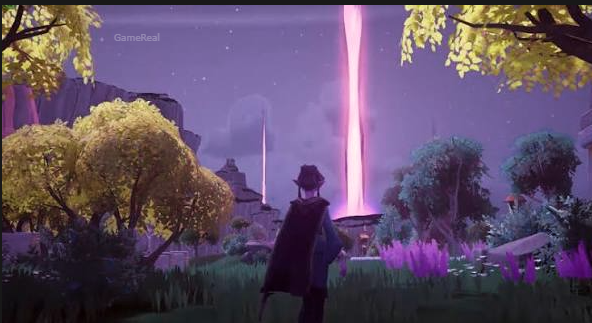
Elderwood Beginner’s Guide: Skills, Combat, PvP and Early Access
Elderwood is a free-to-play online fantasy RPG that entered Early Access on Steam on October 29, 2026. Developed by The GameWerkz and published by BLÜ Games, it combines skill-based progression, crafting, gathering, group activities, player trading and clan warfare in a shared fantasy world.
The game is available to play without an upfront purchase, but that does not mean every part of its experience is finished. The developers describe the current version as an actively developing game, with further work planned for stability, balance, progression and multiplayer performance.
For new players, the most useful thing to understand is how Elderwood connects its different systems. Combat is only one way to develop a character. Gathering resources, producing equipment, preparing supplies and supporting other players can also shape your progression. At the same time, entering a designated PvP region introduces a significant risk: dying there can cost you the items and gold you are carrying.
This beginner’s guide explains the systems currently advertised by the developers, what they mean for a new character, and what players should consider before investing time in Elderwood’s Early Access version.
What Is Elderwood and What Can You Play Right Now?
Elderwood is a multiplayer fantasy RPG built around a persistent character and skill progression. Instead of focusing exclusively on a fixed combat role, the game allows players to develop different abilities through activities such as fighting, gathering, fishing, cooking and crafting.
The current Early Access version includes:
- Persistent characters and character customization.
- Quests and exploration.
- Combat using melee weapons, bows and magic.
- Bard songs that support nearby allies.
- Gathering, fishing, cooking and crafting.
- Friends, parties, clans and dedicated chat channels.
- Player trading through a marketplace.
- Banks and inns with selectable respawn points.
- Group raids and global leaderboards.
- Capturable clan keeps with repairable defences and ownership benefits.
These features give players several ways to participate in the world. Someone interested in producing equipment can spend time gathering and crafting, while another player may prefer combat or group support.
However, the presence of these systems should not be confused with a finished endgame. The developer says that additional quests, encounters, equipment and activities are planned. Clan warfare and support for larger multiplayer populations are also expected to receive further development.
The practical takeaway: Elderwood already advertises a broad collection of RPG systems, but players should approach it as a developing game rather than a completed experience.
How Skill Progression Works
Skill progression is central to Elderwood. The developer describes combat and gathering skills that can progress towards level 99. Activities such as fighting, collecting resources, fishing, cooking and crafting contribute to different parts of character development.
This creates a progression structure in which players can work towards more than one objective.
Combat skills
Combat is one route for players who want to fight enemies and participate in dangerous areas. Elderwood advertises three main approaches to fighting:
- Melee weapons for close-range combat.
- Bows for ranged attacks.
- Magic for spell-based combat.
The game also includes equipment choices and consumable management. According to the developer, attacks happen automatically, but players still make important decisions during a fight. These include using food and potions, casting spells and switching equipment.
That distinction matters when understanding the combat system. Automatic attacks do not mean that every encounter is entirely passive. The player’s decisions still influence how they respond to a changing fight.
Gathering and crafting
Gathering and crafting provide another progression path. The developer lists activities such as mining, collecting resources, fishing, cooking and producing equipment.
These systems are connected to the wider game economy. Resources can be used to prepare supplies or craft gear, while trading provides another way for players to exchange items.
For a beginner, it is useful to understand the difference between collecting an item and having a reason to keep it. A resource may contribute to crafting, cooking or another activity. Selling everything immediately could therefore remove materials that might become useful later.
This is a general implication of the advertised crafting and trading systems, not a claim about a particular optimal resource route. The available official information does not establish which materials are most profitable or which gathering activity offers the fastest progression.
Bard songs and group support
Elderwood also gives players a support-oriented option through bard songs. The developer describes songs that can strengthen, heal and hasten nearby allies.
This makes group participation broader than simply dealing damage. A player who prefers supporting a party may find this system more interesting than focusing entirely on weapons or spells.
The exact strength of individual songs, their resource costs and the best combinations are not established in the public game description. Players should check the current in-game information rather than relying on unverified build recommendations.
Understanding Elderwood’s Combat System
Elderwood combines automatic attacks with manual combat decisions. This is important because it affects what players should pay attention to during encounters.
The developer says that players can make decisions about food, potions, spells and equipment while attacks continue automatically. In other words, combat involves more than repeatedly selecting an attack.
A useful way to understand the system is to separate the different decisions:
Weapon choice: Melee weapons, bows and magic provide different approaches to fighting. The best option may depend on the enemy, equipment and the player’s preferred style.
Consumables: Food and potions are part of the combat system. Players should understand what they carry and when they may need it, particularly before entering a dangerous area.
Spell use: Magic provides another way to engage enemies. Players should learn the available spells and their effects before assuming that one setup works in every encounter.
Equipment changes: Switching equipment is one of the manual decisions identified by the developer. This suggests that preparation and equipment selection remain relevant even though attacks are automatic.
The public description does not provide verified damage values, weapon rankings, enemy weaknesses or an optimal beginner build. Therefore, it would be misleading to present a particular weapon or spell combination as the strongest choice.
New players should first learn how their available equipment and abilities work. Once they understand the basic combat decisions, they can make more informed choices about which skills to develop.
PvP Regions: Why Carrying Items Can Be Risky
One of Elderwood’s most important mechanics for beginners is its PvP death penalty.
The developer confirms that designated PvP regions allow players to fight one another and that dying in these areas can result in the loss of carried items and gold.
This changes how players should approach exploration. A region that offers opportunities for combat or competition may also put the resources in a character’s inventory at risk.
Understand the difference between carried items and banked valuables
Elderwood includes banks, which provide a way to store valuables, and the official description specifically identifies carried items and gold as being at risk in designated PvP regions.
The practical implication is straightforward: players should think about what they are carrying before entering an area where other players can attack them.
For example, taking valuable equipment or a large amount of gold into a dangerous region may expose more of your inventory to the documented death penalty. Storing items that are not needed for the activity can reduce the amount of property you put at risk.
This is a risk-management recommendation based on the stated mechanic. The public description does not explain every exception, item category or recovery rule, so players should verify the exact rules in the current game before assuming that every item behaves identically.
Do not confuse PvP regions with ordinary exploration
The death penalty is specifically associated with designated PvP regions. It should not be described as a universal rule for every location in Elderwood.
Before entering a new area, find out whether it allows player-versus-player combat. If the game identifies a region as dangerous, consider whether the possible reward is worth the risk of losing carried resources.
This is especially relevant for beginners who may still be collecting materials or building their first useful equipment set.
Clans, Keeps and Group Raids
Elderwood includes social systems that extend beyond basic friends lists and chat. Players can form clans, participate in group raids and compete for control of capturable keeps.
These systems give multiplayer activity a longer-term objective.
What are clan keeps?
The developer describes keeps that clans can capture and defend. Their defences can be repaired using collected materials, and ownership provides access to exclusive merchants and other benefits.
However, ownership is not necessarily permanent. Another clan can challenge the current owner and take control of the keep.
This creates a connection between several parts of the game:
- Gathering provides materials that can be used for repairs.
- Clan members can work together to defend or attack keeps.
- Control of a keep provides access to certain benefits.
- Rival clans can compete for ownership.
For players who enjoy organised multiplayer activities, this may become one of Elderwood’s important long-term systems.
The developer has also stated that clan warfare is expected to receive further refinement during development. New players should therefore avoid assuming that every clan feature is already in its final form.
Why group activities matter
Elderwood also advertises parties, dedicated chat channels and group raids. These features allow players to coordinate rather than treating the world as a collection of isolated individual activities.
Bard songs are particularly relevant here because they are designed to support nearby allies. Group combat can therefore involve different contributions from players rather than everyone following the same approach.
The public description does not provide a complete raid guide, boss list or recommended party composition. Those details should be learned from the current game rather than invented in a beginner’s article.
Trading, Banks and Inns: Managing Your Progress
Elderwood’s economy includes player trading through a marketplace, banks for storing valuables and inns where players can select a respawn point.
These systems are useful to understand because they affect how players manage their items and organise their activities.
Player trading
The game includes a player marketplace described as an NPC-run Bazaar. It gives players a way to trade rather than relying entirely on finding or producing every item themselves.
Trading can connect gathering, crafting and combat progression. A player who collects resources may have items to sell, while another player may be interested in purchasing materials or equipment.
However, the available official information does not establish current market prices, the most profitable items or reliable ways to earn gold. These details can change as players discover the economy and developers adjust balance.
Banks
Banks are particularly relevant because of the documented PvP death penalty. Storing valuables instead of carrying everything into dangerous areas is a sensible precaution.
Players should develop the habit of checking their inventory before entering designated PvP regions. Keep only the equipment and supplies needed for the activity, and avoid exposing unnecessary valuables to risk.
Inns and respawn points
The developer also lists inns with selectable respawn points. This gives players a way to choose an inn as their home location.
The public description does not explain every respawn condition or travel rule. Nevertheless, the feature is worth understanding because choosing a respawn point can influence how players organise their activities around the world.
Is Elderwood Really Free to Play?
Yes. Elderwood is listed as free to play on Steam, and the developer currently plans to keep it free after the full release.
However, the game also includes optional purchases. The developer identifies three planned or advertised categories:
- Cosmetic capes and titles.
- Mini pets that provide small gathering XP bonuses.
- Additional character slots.
This means the shop is not described as purely cosmetic. Mini pets are associated with a small gathering experience bonus, giving them a gameplay-related benefit.
Players who prefer not to spend money can still access the free-to-play game. However, anyone evaluating the shop should understand that optional purchases include both appearance-related items and some utility.
The developer also warns that available items and their pricing may change during development. Do not assume that the current shop details or future purchase options will remain unchanged.
Before spending money, consider whether an item provides something you actually want. Cosmetic customisation, additional character slots and a small gathering XP bonus serve different purposes, so they should not be treated as interchangeable purchases.
Elderwood Early Access: What Is Missing or Still Developing?
Early Access means that Elderwood is playable, but the developer is still working towards its planned full version.
The Steam listing gives an estimated Early Access period of approximately three to eight months. This is a development estimate, not a guaranteed full-release date. The developer says the schedule may change depending on feedback and the work required to prepare the game.
Several areas are expected to receive further attention.
More content: The developer plans additional quests, encounters, equipment and activities.
Progression: Long-term progression is expected to receive further development and refinement.
Clan warfare: The developers intend to refine clan warfare and improve the overall player experience.
Performance: Larger multiplayer populations still require further optimisation and testing.
Stability and balance: The developer warns players to expect bugs, maintenance, balance adjustments and ongoing performance improvements.
These points are important when deciding whether to start playing now.
Players who enjoy following a game during development may appreciate the opportunity to experience its existing systems and provide feedback. Those who prefer a stable, fully developed experience may want to wait until more updates have been released.
Early Access is not automatically a reason to avoid a game, but it does mean that players should expect changes.
Elderwood PC System Requirements
The Steam listing provides minimum requirements for Windows and Linux. These are the developer’s published requirements for the Early Access version, and they may change during development.
| Requirement | Windows | Linux |
|---|---|---|
| Operating system | Windows 10, 64-bit | Ubuntu 24.04 LTS, 64-bit |
| Processor | Intel Core i3-6100 or AMD Ryzen 3 1200 | Intel Core i3-6100 or AMD Ryzen 3 1200 |
| Memory | 4 GB RAM | 4 GB RAM |
| Graphics | Intel UHD Graphics 630 or equivalent, with WebGL 2 support | Intel UHD Graphics 630 or equivalent, with WebGL 2 support and current drivers |
| Network | Broadband internet | Broadband internet |
| Storage | 1 GB available space | 1 GB available space |
The listed requirements are relatively modest, particularly the 4 GB RAM and 1 GB storage figures. However, minimum requirements should not be interpreted as a guarantee of smooth performance on every system.
The developer identifies large-scale multiplayer performance as an area that is still being tested. A computer meeting the minimum specifications may be able to run the game, but actual performance can depend on the system, graphics drivers, network conditions and future updates.
Steam and an internet connection are required. The Linux listing also identifies the client as native x86_64 and describes the requirements as provisional during Early Access.
A Sensible Starting Approach for New Players
The official information establishes Elderwood’s available systems, but it does not provide a verified fastest-leveling route, best starting build or most profitable money-making method. Rather than presenting an untested strategy as fact, beginners can use the following approach to understand the game safely.
1. Learn the basic character and skill systems.
Start by understanding which activities develop the skills available to your character. Combat, gathering and production activities offer different progression paths. Choose an initial focus based on the type of gameplay you enjoy, while learning what the other systems provide.
2. Understand your equipment and consumables.
Before relying on automatic attacks, learn how food, potions, spells and equipment changes work. These are the manual decisions the developer identifies as part of combat.
3. Explore gathering and production.
Learn how resources connect to fishing, cooking and crafting. Keep track of materials that may be useful for producing equipment or supplies instead of immediately treating every collected item as something to sell.
4. Use banks before taking risks.
Understand which areas allow PvP combat. Before entering a designated PvP region, review what you are carrying and store valuables that you do not need. Remember that the developer specifically warns about losing carried items and gold on death in these areas.
5. Explore the social systems.
Friends, parties, clans and dedicated chat channels are part of the current game. If you enjoy group activities, learn how these systems work and whether a clan or party suits your preferred style.
6. Treat Early Access information as changeable.
Keep an eye on developer updates and patch notes. Skills, balance, performance and available content may change as development continues. Avoid relying on old guides if a later update changes the relevant mechanic.
This is a cautious starting framework based on the systems documented by the developer, not a tested progression route. The most effective skill combinations and activity priorities remain questions that require current gameplay evidence.
Should You Play Elderwood During Early Access?
Elderwood may be worth trying if you enjoy skill-based RPG progression, gathering, crafting, player trading and multiplayer competition. Its advertised systems provide several ways to develop a character, while clans, keeps and raids offer longer-term group objectives.
The free-to-play model also makes it possible to explore the current version without buying the game upfront.
However, there are reasons to keep expectations realistic. The game is still in Early Access, the developer expects further work on stability and performance, and some planned content has not yet been delivered. PvP also introduces a meaningful inventory risk because death in designated regions can cost carried items and gold.
The game is best approached as a developing online RPG rather than a finished experience with a fully established endgame. Players who are comfortable with changing systems and occasional issues may enjoy getting involved early. Those who want a more polished experience can wait for further development.
Final Takeaway
Elderwood’s main appeal is the combination of skill progression, combat, crafting, gathering, trading and clan competition. New players should understand how these systems connect before committing to a particular playstyle.
The most important early lesson is to manage risk. Learn the combat and production systems, understand the purpose of banks and respawn points, and avoid carrying unnecessary valuables into designated PvP regions.
Elderwood is free to play and already advertises a broad set of multiplayer RPG features, but its Early Access status matters. More quests, equipment, activities, performance improvements and refinements are planned, and the developers have made clear that the current version is still evolving.
For now, the best reason to try Elderwood is to explore the systems that are already available while keeping realistic expectations about what remains unfinished.