
Free Fire OB55 Lone Wolf Duel of Honor: What’s New?
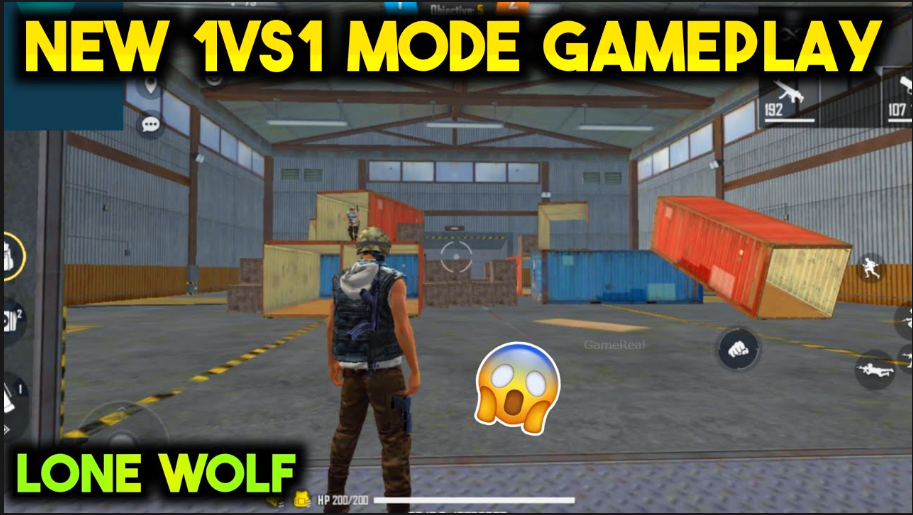
OB55 introduced a meaningful upgrade to one of Free Fire’s purest competitive formats with the arrival of Lone Wolf: Duel of Honor. This is not a brand-new mode and it does not rewrite the fundamental rules of 1v1 combat. Instead, it layers a set of presentation, interaction, and tracking features on top of the existing Lone Wolf experience to make every duel feel more personal, more intense, and more worth remembering.
For players who already main Lone Wolf or who regularly challenge friends in custom 1v1s, the feature adds a clearer sense of rivalry and accomplishment. For everyone else, it remains completely optional. Understanding exactly what changed, how to turn it on, and how to get the most from it will help you decide when the “honor” version of the duel is worth enabling.
What Duel of Honor Actually Is
Duel of Honor is an optional setting that can be activated for Lone Wolf matches. When it is enabled, the match is treated as a formal one-versus-one contest with extra visual flair, limited in-match social tools, and persistent result tracking. The official patch notes describe it as “a battle of true honor,” and the design follows that idea by giving winners exclusive ways to celebrate and display their victories while leaving the core gunplay untouched.
You can enable the feature in two places:
- Directly from the mode selection page when queuing for Lone Wolf
- When creating a Lone Wolf or Clash Squad 1v1 match inside a Custom Room
Once the toggle is on, the match runs under normal Lone Wolf rules with the new honor-themed systems active in the background.
The Four Main Additions
1. In-Match Emoticon Interaction
During a Duel of Honor match, both players can use emoticons to interact with each other in real time. This is a small but noticeable change. In standard Lone Wolf the only communication tools are limited, and most of the psychological game happens through movement and gun skill. With emoticons available, players can acknowledge a good shot, throw a light taunt, or simply react to the flow of the round without leaving the match.
Used well, the feature adds personality. Used poorly, it can become distracting. The best players treat it as an occasional spice rather than a constant stream of messages.
2. Exclusive Victory Banner and Results Page
Winning a Duel of Honor match triggers a dedicated victory banner and a special results screen that are distinct from the normal Lone Wolf end-of-match presentation. The goal is to make the win feel more cinematic and more satisfying. Instead of the standard summary, you receive a presentation that highlights the duel nature of the contest.
This may seem like a pure cosmetic change, but presentation matters in a mode built entirely around individual skill. A clearer, more dramatic win screen reinforces the feeling that the match was a real contest rather than just another queue.
3. Exclusive Sharing Page
After the match, winners gain access to a dedicated sharing page. This makes it straightforward to capture the result and post it to friends or social channels. In a game where highlight moments and personal rivalries drive a lot of engagement, giving players an easy way to share a clean 1v1 victory is a smart quality-of-life addition.
4. Persistent Duel History on Profiles and in the Lobby
Perhaps the most interesting long-term feature is the ability to view your duel results against specific opponents. After winning, those results can be seen on profiles and in the lobby. Over time this creates a visible head-to-head record. If you frequently play against the same players, you can track who is ahead in the personal rivalry.
This turns isolated matches into ongoing stories. A single win is satisfying. A growing record against a regular opponent is more motivating.
What Does Not Change
It is important to be clear about what Duel of Honor leaves alone. The core Lone Wolf experience remains intact:
- The same maps
- The same weapon pool
- The same character skills
- The same round structure and win conditions
There are no new damage rules, no altered movement speeds, and no special loadouts tied exclusively to the honor setting. If you disable the feature, Lone Wolf plays exactly as it did before OB55. The addition is purely about presentation, interaction, and record-keeping.
Why the Feature Exists
Lone Wolf has always occupied a special place in Free Fire. It strips away squad coordination, third-parties, and zone luck, leaving only aim, movement, game sense, and mental composure. That purity is also its limitation: once the match ends, the result often disappears into a generic stats screen.
Duel of Honor tries to solve that by giving the duel a stronger identity. The exclusive banner, the sharing tools, the emoticon interaction, and the persistent head-to-head records all work together to make each 1v1 feel like a distinct event rather than just another match in the queue.
For competitive-minded players this is valuable. For content creators and players who like to challenge specific rivals, it is even more useful.
How to Use Duel of Honor Effectively
When to turn it on
Enable it when you are playing against a friend, a ranked rival, or anyone whose result you actually care about remembering. It is also worth using when you want the match to feel more formal or when you plan to share the outcome.
When to leave it off
If you are simply grinding practice games or warming up, the standard Lone Wolf experience is faster and lighter. There is no penalty for keeping the feature disabled.
In-match habits
Use emoticons sparingly. A single well-timed reaction can be more effective than constant spam. Stay focused on the actual duel; the social tools are secondary.
After the match
Check the sharing page if you want to post the result. Look at the profile and lobby records if you play the same opponents regularly. Building a visible head-to-head history is one of the quiet strengths of the system.
Custom Room etiquette
When you create a custom 1v1, decide together with your opponent whether Duel of Honor will be enabled. Clear expectations prevent confusion and keep the focus on the fight itself.
Interaction with the Wider OB55 Update
Duel of Honor sits alongside the many other changes in OB55, including the Naruto collaboration features, the device system split, new random events, and weapon balance adjustments. While those systems affect Battle Royale and Clash Squad more directly, the Lone Wolf addition shows that Garena is also paying attention to the pure 1v1 audience.
The feature does not compete with the bigger headline content. It simply gives dedicated duel players a better way to frame and remember their matches.
Common Misconceptions
Some players assumed Duel of Honor would introduce new rules, restricted loadouts, or ranked-specific scoring. It does not. Others expected it to replace the normal Lone Wolf queue. It remains an optional toggle. A third group treated the emoticon system as a full communication channel. In reality it is a limited reaction tool, not a chat replacement.
Keeping expectations accurate helps players appreciate the feature for what it actually delivers.
Final Thoughts
Lone Wolf: Duel of Honor is a focused enhancement rather than a revolutionary overhaul. It takes Free Fire’s purest 1v1 mode and adds stronger presentation, light in-match interaction, easy sharing, and persistent head-to-head records. The core gunplay stays exactly the same, which is exactly what most dedicated Lone Wolf players want.
Enable it when the match matters to you. Use the new tools to add personality and to track rivalries. Ignore it when you just want clean, no-frills practice. The choice is now built into the mode select screen and the custom room creator.
OB55 gave Lone Wolf a clearer sense of occasion. For players who live for individual duels, that small shift in framing and feedback makes every honorable victory feel a little more earned and a little more worth remembering.