
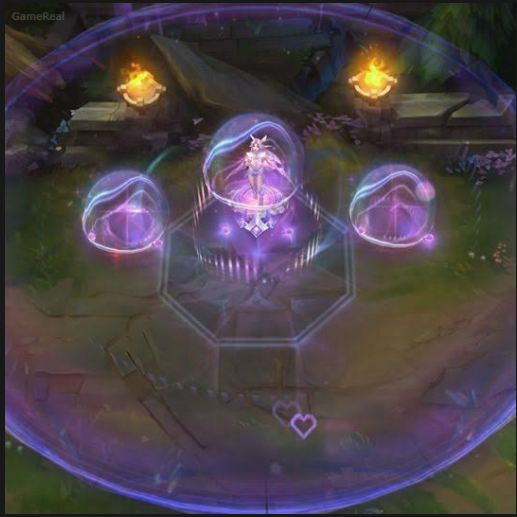
League of Legends Heartsong Seraphine Raises 3.7 Million for Charity
Riot Games announced on October 16, 2026 that League of Legends players have raised over $3.7 million for charity via the Heartsong Seraphine skin. The fundraising effort for a subset of the sales of the Legendary skin was supplemented by a donation from Riot, making a limited skin drop into a charitable event.
The consequence is noteworthy not merely because of the quantity raised but also due to the fact that it demonstrates how an optional in-game cosmetic can be used to bankroll causes outside the game. Riot donated, on top of sales, to the Riot Games Social Impact Fund, so that all the players who bought Heartsong Seraphine while the event was running effectively contributed, and that’s how they want to spin it.
There is however, a caveat behind the headline: the $3.7 million is how much they managed to raise in total, not what players alone contributed. The campaign has also finished, so purchases made now shouldn’t be expected to qualify for the same fundraising deal.
Here’s how the campaign worked, what the skin was and what that tells us about League of Legends and charitable fundraising.
How the Heartsong Seraphine Charity Campaign Worked
The campaign was quite simple: players would be able to purchase a new Legendary skin and Riot would donate its share of proceeds from qualifying sales to the Social Impact Fund, with Riot adding an additional contribution.
All the proceeds from Riot went to the fund
Riot pledged 100% of its Heartsong Seraphine sales revenue to the Riot Games Social Impact Fund throughout the campaign.
That’s important wording, because a purchase price isn’t necessarily equal to the proceeds a company takes. The price of a skin is denominated in Riot Points, and the conversion between those points and the revenue the company ultimately receives should not be treated as a simple one-to-one cash calculation without access to official financial information.
The charitable pledge was tied specifically to proceeds from the skin for Riot during the stated timeframe.
Two more matches of the proceeds Riot added
Riot matched the proceeds in the skin twice.
Say, as a hypothetical example, that sales for qualifying skins bring in $100,000 for Riot. According to the announced policy, the $100,000 would be donated to the fund by Riot, with an extra $200,000 donated as the match. The total add up to $300,000. This is an example of the fundraising formula, not a comment on the actual sales figures for the campaign.
The structure is what distinguishes this campaign from a typical cosmetic release. The initial donation was made possible by purchases, while Riot’s matching pledge furthered that amount for the fund.
What the $3.7 million number really means
The headline figure reflects the total result of the fundraiser. It should be viewed as not coming from the sale of players alone and not as $3.7 million coming from players.
Because Riot’s contribution was twice what was raised from the skin, the total figure was much higher than the initial sum linked to sales.
The precise value of player purchases and Riot’s contributed match is not disclosed as an audited, standalone number in the announcement that you can read here. That means unless Riot releases a detailed financial breakdown of the spending, any exact figure as to how the money was split up should now be considered an estimate.
If there is a takeaway for readers, it is that both the proceeds from the—skin and Riot’s additional donation were in the campaign.
Heartsong Seraphine?Is Heartsong Seraphine?Episode Heartsong Seraphine
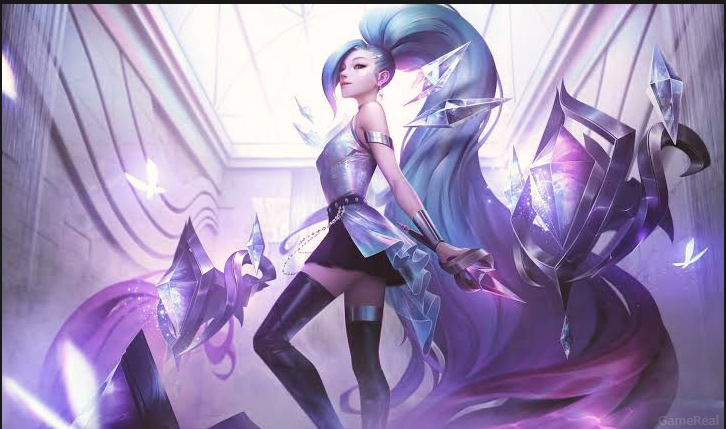
Heartsong Seraphine is a Legendary skin for the music themed champion Seraphine in League of Legends. It is based on the champion as a singer, a performer and is visualized in a concert like setting with an expressive season of special effects.
The skin was released on August 26 with Patch 26.17 and costs 1,820 RP, the usual price point for Legendary skins.
Legendary status? Mythical, because these skins generally provide more than just a change to a champion’s model and colours. Heartsong Seraphine features new animations, visual and sound effects, as well as new VO, giving the champion an entirely new look in-game.
The theme of the skin matches Seraphine very well.Her identity as a musician is central to their already beloved character.
When seraphine activates Skin, does it alter her abilities?
This is not a new playable champion or a different gameplay system, but a different presentation of the champion’s abilities, animations and audio.
Players shouldn’t mistake new visual effects for changes in damage, cooldown, range or any other competitive stats. Those are gameplay-balancing decisions, and they’re dealt with separately through champion updates and patchnotes.
The charity promotion was tied to the sales of the skin, not a shift in Seraphine’s competitive. role.
What Is the Riot Games Social Impact Fund?
The Riot Games Social Impact Fund is Riot’s charitable arm to engage and support organisations and causes globally. Riot created the fund in 2019 and partners with ImpactAssets to facilitate its philanthropic work.
The fund works in diverse fields such as education, opportunity, citizenship and sustainability. Instead of concentrating its efforts on one single charity or one single country, its overarching aim signifies a commitment to assisting non-profits working on various local issues.
Riot has also leveraged player-facing initiatives to bring its community into charitable efforts. Its fundraising for charity voting programs have let players ultimately decide which charities get donations.
That’s where Heartsong Seraphine’s fundraising total comes into play, and why it matters in a bigger conversation is a bit more clear in the broader context of what I wrote. The campaign was not framed as a direct payment to a specified organisation. The proceeds and match donation went to the Social Impact Fund which help charitable work across the network.
Is the $3.7 million being donated to a single charity?
The campaign that was announced lists the Riot Games Social Impact Fund as the recipient. It does not imply that all of the money is going to a single nonprofit.
The fund benefits various organisations and causes. Unless Riot releases a separate breakdown for this fundraiser, it would be misleading to say the Heartsong Seraphine money has all gone to a single charity, hospital, school or relief effort.
The distinction is for readers who are interested in knowing where to fit their buying into the process. Supporting the fund and choosing a specific recipient are not one and the same.
Why the Fundraising Result Are Significant for League of Legends Players
The event provides a real-world example of how a live-service game can leverage cosmetic content to facilitate charitable fundraising without affecting the core competitive gameplay.
League of Legends adds new skins all the time, but Heartsong Seraphine served a separate role beyond just giving a new look to a champion. Its time-limited fundraising sale gave hopeful players an opportunity to contribute to the Social Impact Fund by making an optional purchase.
There are several takeaways to be had from the outcome.
In-game purchases can be used to fund things outside of the game
Players don’t need to buy every cosmetic to enjoy League of Legends. You don’t have to buy skins, and the core competitive play isn’t tied to any of these purchases.
A campaign like this gives people who were already going to buy the cosmetc an extra incentive. They can compare the look and feel of the skin to the price, as well as charity.
That doesn’tMean everyone should buy it. The charitable element is something to take into consideration, not a justification for purchasing something that a person may find to be financially uncomfortable.
Match gifts can also grow the final gift amount
The campaign also underlines the importance — and rarity — of matching deals. Riot’s additional donation meant the total fundraising amount was higher than the proceeds from the skin alone.
When you’re reading charity updates, it’s worth seeing whether the headline figure is money that players gave directly, a company match, or both.
Buying Heartsong Seraphine helped support the campaign during the eligible period, but it was still a purchase—not a direct donation to a nonprofit.
Players received an in-game skin in return, and Riot sent the proceeds, along with its matching contribution, to the fund as promised.
That distinction doesn’t diminish the fundraising achievement; it simply clarifies how the support was provided.
How Does Heartsong Seraphine Stack Up Against Other League of Charity Skins?
Heartsong Seraphine is part of a larger trend of Riot using in-game cosmetics and community events to raise funds for charitable initiatives.
Previous League of Legends initiatives have raised significant amounts as well. For example, the legendary Riot said the Dawnbringer Karma charity campaign raised $6 million, the Star Guardian Taliyah campaign made $6 million. There is also the $7 million sum that was reportedly raised for Elderwood Ornn.
Those are helpful figures to have in the context, but comparisons should be handled with care. Fundraising amounts can vary depending on the length of the campaign, the pricing, the interest of the players, how the contributions are structured and whether a company match is part of the amount.
Comparing the headline totals without digging into those details would be to do a disservice to both projects.
Heartsong Seraphine’s over $3.7 million is a big chunk in and of itself. It also cements the role of the Riot Social Impact Fund in Riot’s broader philanthropic activity.
What you want to take away from this isn’t that future skins will all raise this much. Every bust has its own story and Riot has not promised that future cosmetics will be structured the same way.
What Players Need to Know About Buying Charity-Connected Skins
Here are a couple of things to keep in mind for players wishing to support similar campaigns in the future to help prevent any confusion.
Verify the qualifying dates. A charitable offer may only be valid during a certain time period. Don’t assume a skin keeps raising money for the same campaign forever.
Read how the donation is calculated. Search for words such as proceeds, revenue, profit or matching contribution. These words have different meanings and can lead to very different totals.
Look at who the named beneficiary is. A campaign may benefit general rather than specific nonprofit organizations. To find out which organisations receive the funds, check for an official allocation statement.
Buy cosmetics that you can afford. A charity skin is a positive aspect to considering a skin, but you shouldn’t feel pressured to purchase. You don’t have to buy every fundraiser-linked cosmetic to support charity work.
These checks go beyond even League of Legends. Many titles employ time-limited bundles, cosmetics or seasonal events to raise money for charity, and the specifics of each programme may vary.
Frequently Asked Questions
How much did Heartsong Seraphine raise?
On October 16, 2026, Riot Games revealed that Heartsong Seraphine had raised over $3.7 million for the Riot Games Social Impact Fund.
Did players alone donate $3.7 million?
No. The stated figure includes Riot’s donation. Every penny of net sales that Riot makes from participating Heartsong Seraphine sales will go directly to the fund — as will an additional donation from Riot equal to double those net sales.
When did Heartsong Seraphine come out?
The Legendary skin was released with League of Legends Patch 26.17 on 26 August, 2026.
How much was Heartsong Seraphine?
Its release price was 1,820 Riot Points (RP).
When does the charity campaign stop?
The announced fundraising period ended on September 23, 2026. The end result was announced October 16.
Who the money went to?
It went to the Riot Games Social Impact Fund, which invests in non-profits that focus on education, opportunity, citizenship and sustainability. The campaign post does not indicate a single nonprofit to which the full sum will be paid.
If I buy the skin now, does that count towards the $3.7 million campaign?
The initial fundraising period is over. Without explicit confirmation from Riot otherwise, a future purchase should not be considered eligible for the finished campaign.
Is Heartsong Seraphine a pay-to-win?
The skin’s Legendary status, or its charity association, does not confer any in-game benefits. It changes the champion’s cosmetic presentation (visual effects, animations & sound effects), but not the gameplay.