
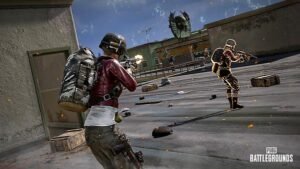
PUBG Survival Mastery Guide: How to Survive Longer, Rotate Smarter and Reach the Final Circle
PUBG is a battle royale game where survival depends on much more than shooting accurately. Every match combines landing decisions, looting, movement, positioning, map awareness, combat, rotations, resource management, and tactical decision-making. A player can have excellent aim but still be eliminated early because of poor positioning or an unnecessary fight. On the other hand, a player with average mechanical skills can survive much longer by understanding the map, choosing better positions, and avoiding dangerous situations.
For many players, reaching the final circle is one of the most exciting parts of PUBG. As the number of surviving players decreases, every decision becomes more important. A careless rotation can expose an entire squad, while a well-planned move can place the team in a powerful position. The ability to survive is therefore a skill that can be developed through practice and better understanding of the game.
This guide explains practical PUBG survival strategies for beginners, intermediate players, and experienced players who want to improve their consistency. It covers landing strategies, looting, inventory management, combat awareness, safe-zone rotations, positioning, vehicles, sound awareness, squad coordination, final-circle tactics, common mistakes, and methods for improving after every match.
Why Survival Is Important in PUBG
Survival is one of the most important parts of a PUBG match because staying alive gives you more time to collect resources, understand enemy movements, improve your position, and prepare for later circles. Eliminations are useful, but chasing every enemy can create unnecessary risks.
A player who survives longer has more opportunities to make meaningful decisions. You can find better equipment, move toward stronger positions, observe other squads, and prepare for the next phase of the match.
Survival does not mean hiding in one location for the entire game. Effective survival means knowing when to move, when to fight, when to wait, and when to disengage. The strongest survival players remain active while minimizing unnecessary risks.
Survival and Aggression Must Be Balanced
Playing too aggressively can result in early elimination, while playing too passively can leave you without enough equipment or useful information. A balanced approach is usually more effective.
Take fights when you have a reasonable advantage, but do not feel forced to fight every opponent you see. Consider your health, ammunition, cover, enemy position, zone location, and available escape routes before committing to combat.
Choosing the Right Landing Location
Your survival journey begins before you reach the ground. The landing location can determine whether you immediately enter a dangerous battle or have time to prepare for the rest of the match.
Busy locations often contain valuable loot but attract many players. Quiet locations may provide a safer start but can sometimes have fewer resources. Your choice should depend on your objective for the match.
| Landing Type | Risk Level | Loot Opportunity | Best For |
|---|---|---|---|
| Hot Drop | Very High | High | Players who enjoy immediate combat |
| Popular Compound | High | High | Balanced combat and looting |
| Medium Activity Area | Moderate | Moderate | Players seeking consistency |
| Quiet Area | Low | Moderate | Safer early-game preparation |
| Remote Area | Low | Variable | Long-term survival strategies |
Land Together in Squad Matches
Squad players should communicate their landing plan before jumping. Landing too far away from teammates can make individual players vulnerable. If several opponents land nearby, an isolated teammate may not receive support quickly enough.
A good squad landing strategy gives each player enough space to collect equipment while keeping everyone close enough to help if a fight begins.
How to Survive the First Few Minutes
The opening minutes of a match can be chaotic. Players are searching for weapons, moving through buildings, and attempting to establish control of their landing area.
Your first objective should be obtaining a usable weapon. You do not need the perfect loadout immediately. Once you have a weapon capable of defending you, prioritize basic protection, ammunition, and healing items.
After collecting essential equipment, stop unnecessary looting and pay attention to your surroundings. Listen for footsteps, gunfire, doors, vehicles, and other signs of nearby players.
Do Not Spend Too Long Looting
One common mistake is continuing to search every building even after obtaining a functional loadout. The longer you remain in one area, the more likely another squad may arrive.
Once you have enough equipment to survive, start thinking about your next position and the safe zone.
Prioritize Essential Equipment
Inventory management can directly affect survival. Carrying the correct equipment allows you to respond to different situations without wasting valuable space.
| Equipment | Priority | Purpose |
|---|---|---|
| Primary Weapon | Very High | Main source of combat damage |
| Secondary Weapon | High | Backup or alternative combat range |
| Armor | Very High | Improves protection |
| Helmet | Very High | Protects against head damage |
| Ammunition | High | Supports combat |
| Healing Items | High | Restores health |
| Utility | Medium to High | Supports tactical situations |
Keep Your Inventory Organized
A cluttered inventory can make it difficult to find important equipment during combat. Organize your supplies so you can quickly locate ammunition, healing items, and tactical equipment.
Review your inventory whenever you have a safe moment. Remove unnecessary items and replace them with equipment that better matches your current strategy.
Understanding the Safe Zone
The safe zone controls the movement of players throughout a PUBG match. As the zone becomes smaller, surviving players are gradually pushed closer together. This creates more frequent encounters and makes positioning increasingly important.
Always monitor the map and understand how much time you have before the next zone movement. Waiting until the last moment can create difficult rotations.
Plan Your Rotation Early
Early planning does not necessarily mean immediately running toward the center. Instead, identify possible routes and positions that can keep you safe while moving toward the next zone.
Look for buildings, ridges, rocks, trees, terrain depressions, and other features that can provide protection during movement.
Why Late Rotations Are Dangerous
Late rotations can force players into open terrain. When the zone is already closing, you may have limited options and could encounter multiple squads that have already established defensive positions.
Rotating earlier gives you more choices. You can stop at a compound, choose a different route, or change direction if you discover another squad.
Use the Zone as a Tactical Tool
The edge of the safe zone can sometimes reduce the number of directions from which enemies are likely to approach. However, this does not mean that staying at the edge is always safe.
Consider the terrain and future zone movement before choosing your position.
Using Cover to Increase Survival
Cover is one of the most valuable survival tools in PUBG. A player standing in the open can be attacked from several directions, while a player behind strong cover has greater protection.
Cover can include buildings, rocks, trees, walls, vehicles, ridges, and terrain depressions. Always identify nearby cover before starting a fight or crossing an open area.
Move From Cover to Cover
When crossing dangerous terrain, avoid running continuously through open space. Identify your next cover location and move toward it when the situation is safe.
This technique can significantly reduce your exposure to enemy fire.
Understanding High Ground
High ground can provide excellent visibility and may allow you to see approaching players earlier. However, high ground is not automatically safe.
A hilltop without cover can make you highly visible. A lower position with strong protection may sometimes be more useful than an exposed elevated position.
Combine Height With Cover
The ideal position often provides a combination of visibility, protection, and escape options. Before occupying high ground, consider whether enemies can attack you from multiple directions.
Also consider how the next zone may affect the value of the position.
Improving Situational Awareness
Situational awareness means understanding what is happening around you. It includes monitoring the map, listening to sounds, watching movement, observing the zone, and remembering where enemies were last seen.
Good awareness allows you to make decisions before danger reaches you.
Scan Your Surroundings Regularly
Do not focus exclusively on one direction for a long time. Periodically check your surroundings, especially after firing a weapon, entering a new area, or finishing a fight.
A player who constantly checks the environment is less likely to be surprised by a flank.
Using Sound to Detect Enemies
Sound is extremely important in PUBG. Footsteps can indicate nearby enemies, while gunfire can reveal battles happening elsewhere. Vehicle sounds can also provide information about player movement.
When you hear a sound, try to determine its direction and approximate distance. Avoid immediately rushing toward every sound because the enemy may be waiting for you.
Listen Before Entering Buildings
Buildings can contain hidden opponents. Before entering, listen carefully for movement. If you hear footsteps, take a moment to determine where the enemy might be located.
This simple habit can prevent many surprise attacks.
Crosshair Placement for Better Survival
Good crosshair placement improves both combat performance and survival because it reduces the time required to react to an enemy.
Keep your crosshair at a useful height rather than constantly pointing it toward the ground. When approaching a doorway or corner, position your crosshair toward the location where an opponent could appear.
Pre-Aim Common Angles
Pre-aiming does not mean assuming an enemy is always present. It simply prepares your aim before you expose yourself.
This technique can be particularly helpful when clearing buildings and defending against players pushing your position.
Learning When to Fight
Survival does not mean avoiding every fight. Combat is often necessary, especially when you need to secure a position or eliminate a nearby threat.
The important skill is recognizing favorable and unfavorable fights.
Check Your Advantages
Before starting an engagement, consider whether you have cover, information, health, ammunition, a good angle, and teammate support.
If several advantages are in your favor, the engagement may be worth taking. If you are exposed, low on health, and unaware of enemy numbers, waiting may be safer.
Knowing When to Retreat
Retreating can save your match. If you discover that an enemy squad has a stronger position or significantly greater numbers, there is no requirement to continue fighting.
Use cover and move toward a safer location. Once you have recovered, you can decide whether to re-engage from another angle.
Do Not Turn a Small Mistake Into a Match-Losing Fight
Sometimes players continue fighting simply because they have already invested time in an engagement. This can lead to unnecessary losses.
If the situation becomes unfavorable, reset the fight. Survival should remain the priority.
Managing Health and Healing
Health management is another important survival skill. Entering a fight with low health can dramatically reduce your chances of winning.
Whenever you have a safe opportunity, restore your health before moving into another dangerous area.
Do Not Heal in Exposed Locations
Healing takes time and can leave you vulnerable. Move behind solid cover before using healing items whenever possible.
In squad matches, communicate when you are healing so teammates understand that you may temporarily be unable to fight.
Using Vehicles for Safer Rotations
Vehicles can help players travel quickly across the map. They are particularly useful when the safe zone is far away or when your squad needs to relocate quickly.
However, vehicles also produce sound and can attract attention.
Choose a Safe Parking Location
Do not stop your vehicle in the middle of an open area if you intend to remain there. Park near useful cover and make sure your squad has a plan after leaving the vehicle.
A vehicle should be viewed as a mobility tool rather than a permanent defensive strategy.
Understanding Third-Party Attacks
A third party occurs when one squad attacks another squad while those players are already fighting. These situations are common because gunfire can reveal the location of a battle.
Third-party opportunities can be useful, but they also create risks. Your squad can become the target of another team after entering the fight.
Wait for the Right Moment
Instead of immediately rushing toward a battle, listen and observe. If the teams are heavily damaged, you may have a better opportunity after they finish fighting.
After securing an elimination, quickly check the surrounding area because other players may have heard the gunfire.
Building a Defensive Position
Buildings can provide excellent protection, especially when they are located inside a favorable zone. However, simply entering a building does not guarantee safety.
Check windows, doors, stairs, rooftops, and nearby terrain. Enemies may approach from several directions.
Do Not Become Too Predictable
If you repeatedly stand at the same window or doorway, enemies may predict your location. Change your angle and use different defensive positions.
When defending as a squad, assign different players to watch different approaches while maintaining enough distance to avoid being eliminated together.
Squad Survival Strategies
Squad survival depends heavily on teamwork. A coordinated squad can survive difficult situations because teammates can provide information, covering fire, healing support, and alternative angles.
Communication should remain clear throughout the match. Tell teammates when you see enemies, when you are moving, when you need support, and when you intend to attack.
| Squad Role | Main Responsibility | Useful Skill |
|---|---|---|
| Scout | Collect information | Awareness |
| Entry Player | Create pressure | Close-range combat |
| Support Player | Assist teammates | Positioning |
| Rear Guard | Watch for flanks | Map awareness |
Stay Within Supporting Distance
Teammates should remain close enough to help each other, but they should not stand directly on top of one another. Useful spacing allows players to cover multiple angles while remaining capable of providing support.
Protecting Your Squad During Rotations
Rotations are one of the most dangerous phases of a squad match. Players may become separated while crossing open terrain, making them easy targets.
Move together when possible and identify potential danger areas before entering them.
Use the Lead and Support System
One player can move first while others watch potential enemy positions. After the first player reaches cover, the remaining players can move forward.
This approach can be safer than having the entire squad run through open terrain simultaneously.
Final Circle Survival Strategy
The final circle changes the priorities of the match. There are fewer players, less space, and more pressure. Every sound may provide valuable information.
During the final stages, avoid unnecessary movement and protect your position whenever possible.
Information Becomes More Valuable
Listen carefully for gunfire and footsteps. If you know where several opponents are located, you can make more informed decisions about movement and engagement.
Do not reveal your position without a clear reason. Sometimes allowing two other players or squads to fight can reduce the number of threats you need to handle.
Positioning in the Final Circle
Final-circle positioning can determine whether you have a realistic chance of winning. Look for solid cover and a position that provides visibility without exposing you from multiple directions.
If the zone is moving, prepare your next location before you are forced to move.
Avoid the Open Center Without Cover
The center of the zone may look attractive because it provides access to every direction, but it can also expose you to attacks from multiple sides.
A position with strong cover and a favorable zone edge can sometimes be more defensible than an exposed central location.
Managing Utility Items
Utility items can be extremely useful during difficult situations. They can help you create pressure, force enemies to move, or provide tactical opportunities.
Do not save every utility item for the final seconds of the match. Use equipment when it provides a meaningful advantage.
Use Utility to Force Movement
If an opponent is hiding behind strong cover, direct attacks may not be effective. Tactical equipment can force them to reposition or give your squad an opportunity to change angles.
Using utility intelligently can sometimes be more effective than relying entirely on gunfire.
How to Avoid Getting Surrounded
Being attacked from several directions is one of the most dangerous situations in PUBG. If possible, position yourself so that terrain or the edge of the zone reduces the number of directions from which enemies can approach.
In squad matches, teammates can watch different angles, but communication is essential.
Always Know Your Escape Route
Before committing to a position, identify where you can move if enemies begin attacking. A location with no escape route can become a trap.
Having a backup position can make a significant difference when the fight changes unexpectedly.
Common Survival Mistakes in PUBG
Looting for Too Long
Players sometimes continue searching for minor upgrades even after they already have sufficient equipment. This wastes time and increases exposure to enemy attacks.
Ignoring the Zone
Focusing entirely on combat can cause players to forget about the safe zone. Always monitor the map and plan rotations.
Crossing Open Terrain Without a Plan
Running directly through open areas makes you vulnerable. Identify cover and potential enemy positions before moving.
Taking Unnecessary Fights
Not every enemy needs to be attacked. Consider what you gain from the engagement and whether the risk is justified.
Standing in Predictable Locations
Repeatedly using the same window, doorway, or corner can make your movement predictable. Change positions when opponents know where you are.
Separating From Teammates
Moving too far away from the squad reduces the possibility of receiving support. Maintain useful spacing during rotations and combat.
How to Improve After Every Match
One of the best ways to become a better PUBG player is to analyze your own mistakes. After being eliminated, think about what happened before the final moment.
Ask yourself whether you were in a poor position, whether you had enough information, whether the fight was necessary, whether you ignored the zone, or whether you became separated from your teammates.
Identify Repeated Problems
A single mistake can happen to anyone, but repeated mistakes indicate a skill that needs improvement. If you frequently die during rotations, practice safer movement. If you lose close-range fights, work on crosshair placement and movement. If enemies repeatedly surprise you, improve sound awareness and map scanning.
Improving one repeated weakness can have a larger impact than simply playing more matches without changing your habits.
Developing Better Game Sense
Game sense is the ability to understand what is likely to happen based on the information available. It develops through experience, observation, and deliberate practice.
For example, if you hear several gunshots near a compound, you can assume players may be fighting there. Instead of rushing immediately, you can consider whether another squad may also be approaching.
Think About What Happens Next
Before making a decision, think one step ahead. If you eliminate an enemy, where might their teammates be? If you move into a building, how will you leave if the zone changes? If you fire from a hill, who else might hear your shots?
Thinking ahead helps transform random decisions into deliberate strategies.
Creating a PUBG Survival Practice Routine
| Skill | Practice Method | Expected Benefit |
|---|---|---|
| Crosshair Placement | Pre-aim common angles | Faster reactions |
| Recoil Control | Practice controlled firing | Better accuracy |
| Movement | Practice cover-to-cover movement | Improved survivability |
| Sound Awareness | Identify footsteps and gunfire | Earlier enemy detection |
| Map Awareness | Check zone and terrain frequently | Better rotations |
| Positioning | Study cover and escape routes | Stronger defensive play |
| Decision-Making | Review fight choices | Fewer unnecessary deaths |
Focus on One Skill at a Time
Trying to improve everything simultaneously can become overwhelming. Select one area and focus on it during several matches.
For example, spend a group of matches concentrating on safe rotations. After becoming comfortable with that skill, focus on positioning or combat decisions.
How to Stay Calm During Important Fights
Players sometimes make poor decisions because they become nervous during intense situations. This is particularly common during final-circle fights.
Staying calm allows you to process information more effectively. Instead of rushing because an enemy is nearby, take a moment to identify your cover, weapon, health, and possible enemy locations.
Trust Your Preparation
If you have practiced your aim, movement, positioning, and decision-making, trust those skills during combat. Avoid making sudden changes simply because the situation feels stressful.
Focus on the immediate objective rather than thinking about the final result.
Solo Survival Tips
Solo matches require greater independence because there is no teammate available to provide information or rescue you. Positioning and awareness become even more important.
Avoid exposing yourself to multiple directions at once. Use terrain and buildings to limit the number of angles from which enemies can attack.
Choose Fights Carefully
In solo matches, a single mistake can immediately end the game. If you do not have enough information about an opponent, consider waiting until you have a stronger opportunity.
Patience can be especially valuable when there are many players remaining.
Squad Survival Tips
Squad players have an advantage because teammates can provide additional information and firepower. However, poor coordination can remove this advantage.
Keep the squad connected, share useful equipment, and communicate enemy positions clearly.
Do Not Rush Alone
One of the most common squad mistakes is allowing one player to push too far ahead. If the player is eliminated, the remaining squad may have to fight without support.
Coordinate pushes and make sure teammates are in positions where they can provide assistance.
Smart Use of the Map
Map knowledge can greatly improve survival. Learn the general terrain, common compounds, roads, open areas, and locations that provide useful cover.
Understanding the environment allows you to plan rotations before you need to make them.
Remember Previous Enemy Positions
If you saw a squad in a particular area earlier, remember their approximate location. They may have moved, but the information can still help you make better decisions.
Combining previous information with current sounds and map movement can improve your awareness.
Surviving With Limited Equipment
You will not always find perfect equipment. Sometimes survival requires adapting to what is available.
If your loadout is not ideal, avoid unnecessary fights until you have a better opportunity to upgrade. You can still survive by relying on positioning and awareness.
Use Strategy When Gear Is Weak
Good positioning can compensate for imperfect equipment. Use cover, avoid open areas, and look for opportunities to collect supplies safely.
Do not assume that better equipment automatically guarantees victory. Decision-making remains extremely important.
How to Prepare for the Final Five Minutes
As the match progresses, your priorities should gradually change. Early-game looting becomes less important, while zone positioning, enemy information, and resource management become more important.
Before entering the late game, check your ammunition, healing supplies, utility, weapons, and position.
Prepare Before You Are Forced to Move
Late-game movement can be dangerous, so identify possible next positions before the zone closes. If your current position is unlikely to remain safe, start planning early.
Preparation gives you more options and reduces panic.
PUBG Final Circle Checklist
| Question | Why It Matters |
|---|---|
| Where is the next zone? | Determines your movement |
| Where is my cover? | Protects against enemy fire |
| Where are the enemies? | Helps avoid surprise attacks |
| Do I have enough healing? | Supports recovery |
| Do I have enough ammunition? | Prepares for multiple engagements |
| Can my teammates support me? | Improves squad coordination |
| What is my escape route? | Prevents getting trapped |
Final Tips for Longer PUBG Survival
Survival in PUBG becomes easier when you build consistent habits. Always think about your next position. Keep your inventory organized. Maintain useful cover. Listen for enemy movement. Watch the safe zone. Avoid unnecessary fights. Communicate with your squad. Most importantly, learn from every mistake.
Do not judge your performance only by the number of eliminations. A match with a low elimination count can still be successful if you made intelligent rotations, survived difficult situations, and reached the final circle. At the same time, a match with many eliminations can end badly if those fights were unnecessarily risky.
The objective should be becoming a more complete player. Aim is important, but aim alone is not enough. Positioning can prevent damage before a fight begins. Sound awareness can provide early warnings. Map knowledge can make rotations safer. Communication can improve squad performance. Patience can prevent unnecessary eliminations.
Conclusion
PUBG survival is a combination of preparation, awareness, positioning, movement, combat skill, and decision-making. The best survival strategy is not simply hiding until the end of the match. Instead, it is about making smart decisions throughout the entire game.
Start by choosing a landing location that matches your goals. Collect essential equipment quickly without wasting too much time. Keep your inventory organized and maintain enough ammunition, healing, and tactical resources. As the zone changes, plan your rotations early and use terrain to protect yourself.
During combat, avoid fighting without a reason. Look for advantages such as cover, information, numbers, and favorable positioning. If a fight becomes unfavorable, retreat and reset rather than risking the entire match. Listen carefully for footsteps and gunfire because sound can provide valuable information before you see an enemy.
In squad matches, communication and positioning are equally important. Stay close enough to support teammates while maintaining useful spacing. Coordinate rotations, share resources, and avoid pushing enemies individually. A coordinated squad can survive situations that would be extremely difficult for isolated players.
As the match reaches the final circles, become more patient. Protect strong positions, monitor the zone, listen for enemy movement, and avoid unnecessary exposure. Do not chase eliminations simply to increase your statistics. The ultimate goal is to remain alive and create the best possible opportunity to win.
Finally, review your matches and identify repeated mistakes. If you repeatedly die while rotating, improve your movement and map awareness. If you lose close-range fights, practice aim and movement. If you are frequently surprised, improve sound awareness and scanning. Small improvements repeated across many matches can produce significant results.
With consistent practice and a smart approach, you can become a stronger PUBG player who survives longer, makes better rotations, wins more favorable engagements, and reaches the final circle with greater confidence. PUBG rewards players who can combine mechanical skill with tactical thinking, and mastering that combination is one of the most rewarding parts of the game.