
Free Fire Razing Storm: How the New Storm Event Works
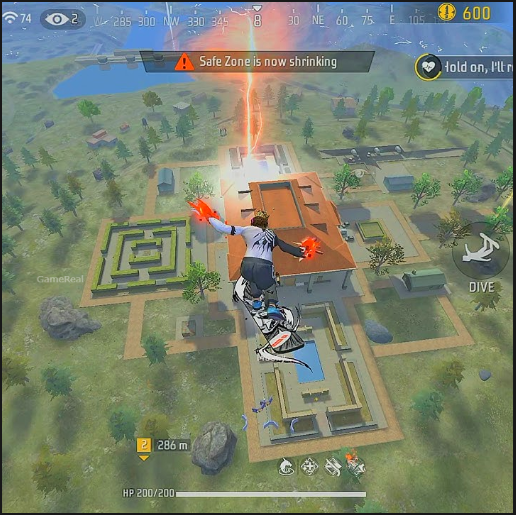
Free Fire keeps finding new ways to make every Battle Royale match feel different. One of the freshest additions in the OB55 update is the Razing Storm random event. It sits alongside other new random events designed to shake up the usual flow of a match and force players to adapt on the fly. The official description is straightforward: Destructive Storms may appear on the map. Watch out and take cover in houses. That short line carries a lot of weight for anyone who has spent time fighting for positioning while the zone closes.
This piece explains exactly what is known about Razing Storm, how it fits into the broader random event system introduced with OB55, the practical strategies that help you survive it, and how it interacts with the rest of the large update that arrived in mid-September 2026. Everything here draws directly from the official OB55 patch notes so the information stays accurate and useful.
Understanding Random Events in Free Fire OB55
Before diving into Razing Storm itself, it helps to understand the system that contains it. OB55 introduced a set of brand-new random events that can trigger during Battle Royale matches. The goal, according to the patch notes, is to bring richer and more varied experiences so players must adapt to an ever-changing battlefield and find their own path to victory.
At launch the available events included:
- The NARUTO SHIPPUDEN Collaboration Random Event
- Peak Mania (Bermuda only), which increases the number of SMGs, shotguns, and melee weapons found in the Peak area
- Razing Storm
- Weapon Surge variants that enhance specific weapon types (reduced Assault Rifle spread, increased Assault Rifle armor penetration, higher SMG armor penetration, or higher SMG accuracy)
- A simple “No Random Event” option where nothing special changes
A second batch arrived later on October 1, adding Airdrops? Meteors! (regular airdrops crash down as meteors) and Black Friday (vending machines offer more items with discounts).
These events are not permanent map changes. They appear dynamically, so one match might feel completely different from the next even on the same map. That unpredictability is the point. Players who stay rigid in their usual drop spots and rotation plans will struggle more often than those who stay flexible.
What Razing Storm Actually Does
Razing Storm is listed simply as: Destructive Storms may appear on the map. Watch out and take cover in houses!
The wording is deliberate. “Destructive” signals that the storms are not just visual weather. They create real danger. The clear advice is to take cover inside buildings. This tells us several important things about how the event behaves in practice.
First, the storms occupy areas of the map rather than covering the entire island at once. Players who stay in the open risk taking damage or being forced into bad positions. Second, solid cover – specifically houses and buildings – provides protection. This is different from the regular blue zone damage that continues even if you stand inside a structure. Third, the event is temporary and location-based, so smart movement and awareness of the storm’s location become critical skills.
Because the event is random, it can appear at different points in the match. Early storms force teams to reconsider their looting routes. Mid-match storms can disrupt rotations toward the next safe zone. Late storms can decide final circles by creating no-go zones that squeeze remaining players into tighter spaces.
The visual and audio cues that accompany the storm matter a great deal. Players who react the moment the storm appears gain precious seconds to reach the nearest solid building. Those who ignore the warning or try to outrun it across open ground often pay the price.
Why Houses and Buildings Matter So Much
The official tip to take cover in houses is the single most important piece of advice for Razing Storm. Open fields, hills, and exposed rooftops become high-risk areas while the storm is active. Buildings with solid walls and roofs offer safety. This shifts the value of certain map areas.
Locations that already contain dense clusters of houses suddenly become more attractive. Teams that land in or rotate toward residential zones gain natural protection when the storm hits. Conversely, players who prefer open high-ground power positions may find themselves forced to abandon those spots quickly.
Inside a building the usual rules of close-quarters combat still apply. Gloo Walls, grenades, and character skills remain fully usable. The difference is that the outside world has become temporarily hostile. Teams that clear a house cleanly and then hold it while the storm passes often emerge with better positioning and more resources than teams that kept moving through the open.
Communication becomes even more important. Calling the direction of the storm, identifying the nearest safe buildings, and deciding whether to push an enemy house or simply wait out the weather can decide the fight.
How Razing Storm Changes Match Strategy
Razing Storm rewards awareness and flexibility more than raw mechanical skill. The best players treat the event as another layer of information rather than pure chaos.
Drop selection gains a new consideration. If a storm can appear early, landing near good building density provides a safety net. Mid-game rotations need contingency plans. Always know two or three solid structures along your intended path so you can duck inside if the storm starts. Final circles become more unpredictable because a late storm can cut off certain approaches or force everyone into the same few remaining buildings.
Inventory management also shifts slightly. Having a reliable close-range weapon ready is useful because many engagements will now happen inside or around houses. Utility items that help you hold a building – extra Gloo Walls, smoke, or healing – gain value. Character skills that improve mobility or provide temporary protection help you reach cover faster when the storm appears suddenly.
Team coordination improves survival rates dramatically. Solo players must make faster decisions and accept more risk. Squads that move together and call storm locations clearly can treat the event as a temporary shield rather than a pure threat. They can even use the storm to their advantage by forcing enemies out of preferred positions and into more vulnerable spots.
Comparison with Other OB55 Random Events
Placing Razing Storm next to the other new events shows how varied the system is.
Peak Mania is location-specific and loot-focused. It only affects Bermuda and simply increases the density of certain weapon types in Peak. Players who already liked that area get an even stronger reason to land there.
Weapon Surge is pure power fantasy. Depending on the variant, Assault Rifles or SMGs become noticeably stronger for the duration of the match. This rewards players who specialize in those weapon categories and can change the preferred loadout meta for that particular game.
The Naruto collaboration event brings large-scale map transformations and special abilities tied to the Nine Tails theme. It is the most dramatic of the launch events.
Razing Storm sits in the middle. It is not about better loot or stronger guns. It is about environmental danger that forces movement and cover usage. It creates tension without completely rewriting the rules of the match. That balance makes it one of the more interesting additions for competitive-minded players who still want the core Free Fire loop intact.
Later events such as meteor airdrops and discounted vending machines add further variety, but Razing Storm remains the purest “pay attention to the environment” event of the set.
Practical Tips for Surviving and Winning During Razing Storm
Stay alert for visual and audio cues the moment a match begins. The earlier you notice the storm forming, the more options you have.
Prioritize buildings with multiple exits and good internal cover. A single-room shack can become a death trap if an enemy team forces its way in while the storm traps you outside other options.
Do not tunnel-vision on the storm. Enemy teams will also be looking for the same safe houses. Clearing a building thoroughly before settling in remains essential.
Use the storm as a timing tool. If you know an enemy squad is stuck in the open while you are safely inside, you can prepare a push the moment the weather eases. Conversely, if you are the one caught outside, prioritize survival over kills until you reach cover.
In ranked matches the event can create unexpected placement swings. Teams that play too aggressively across open ground risk sudden damage and eliminations that cost valuable ranking points. Disciplined teams that treat the storm as a temporary pause often finish higher.
Practice the habit of always knowing the nearest solid structure during normal games. That muscle memory becomes invaluable the first time Razing Storm hits during a high-stakes match.
How Razing Storm Fits into the Larger OB55 Update
OB55 was a substantial update that combined the return of the NARUTO SHIPPUDEN collaboration with meaningful system changes. The Nine Tails event can alter the start of matches, open Arsenals without keys, create loot craters, and allow players to call in Tailed Beast Bombs mid-match. The Hidden Leaf Village returned both as a location and as the default cabin. Revival Points received a Reanimation Jutsu visual and functional update. Gamakichi summoning scrolls added another source of supplies.
Clash Squad received ninja-themed changes including shurikens in the first round, ninjutsu and kunai in the store, and Ninjutsu Scroll Airdrops. New ninjutsu skill cards such as 8 Trigrams Palm Rotation, Fireball Jutsu, Water Dragon Jutsu, Great Breach, Rasengan, Chidori, and Cherry Blossom Clash gave players powerful temporary abilities. Shuriken and elemental Kunai returned as secondary weapons.
Airdrop timing and quality were overhauled. Regular airdrops start earlier and number four per match with clearer indicators. Defense Airdrops land in pairs with better loot. The Ultra Airdrop remains high value. Devices were split into active and passive categories so players can carry one of each. A new Follow mechanic lets players form moving “trains.” Quality-of-life improvements covered everything from parachuting weapon previews after revival to clearer map markers and smoother downhill movement.
Character balance focused heavily on a full Kenta rework that turned him into a more versatile fighter with teleportation through Gloo Walls and shield-based damage reduction.
Within this large set of changes, Razing Storm serves a specific purpose. It adds environmental unpredictability without requiring new weapons, skills, or map geometry. It works on existing maps and with existing loadouts. That simplicity is a strength. Players do not need to learn complex new systems to understand the threat. They simply need to respect cover and stay aware.
Long-Term Impact on Free Fire Play
Random events like Razing Storm slowly change how players approach the game. Drop spots that were previously second-tier because of limited loot can become more attractive when they offer dense building cover. Rotation paths that avoided certain residential clusters may now deliberately pass through them. Aggressive open-field playstyles face a new risk factor that rewards more measured movement.
Over time the community develops preferred responses. Some teams will treat early storms as a signal to hold buildings and wait. Others will use the chaos to force fights while opponents are distracted by the weather. Both approaches can work. The key is recognizing the event quickly and committing to a plan instead of reacting in panic.
Because the event is one of several possible random outcomes, it never becomes the only thing that matters. Matches without Razing Storm still feel familiar. Matches with it simply demand an extra layer of awareness. That balance keeps the mode fresh without making any single event feel mandatory or overbearing.
Final Thoughts on Mastering the Storm
Razing Storm is a clean, focused addition. Destructive storms appear on the map. Take cover in houses. Those two sentences contain everything you need to begin adapting. The rest comes from experience: learning the visual cues, knowing the best buildings on each map, coordinating with teammates, and treating the storm as temporary rather than permanent.
Combined with the rest of the OB55 content – Naruto collaboration features, improved airdrops, device changes, the Follow mechanic, and the Kenta rework – the update gives players more ways than ever to create memorable matches. Razing Storm contributes by making the environment itself an active participant. When the sky darkens and the wind picks up, the smartest players are already moving toward the nearest solid roof.
Stay aware, respect cover, and use the storm to your advantage when possible. The teams that treat Razing Storm as just another piece of information rather than pure chaos will consistently come out ahead. That mindset, more than any single tip, is what turns a new random event into a reliable part of winning Free Fire.