
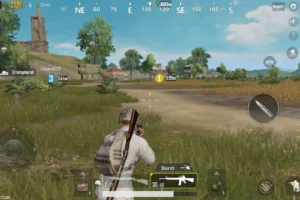
PUBG Battle Strategy Guide: Master Survival, Smart Rotations, and Chicken Dinner Wins
PUBG, short for PlayerUnknown’s Battlegrounds, remains one of the most recognizable battle royale games in the world. Its core idea is simple: players enter a large battlefield, collect weapons and equipment, survive against opponents, and become the final player or team standing. However, winning consistently requires much more than finding a powerful gun and shooting every enemy you see.
Successful PUBG players understand positioning, movement, looting, weapon selection, map awareness, vehicle management, communication, and timing. A player with excellent aim can still lose a match because of a poor rotation, while a player with average aim can reach the final circle by making intelligent decisions.
This guide explores practical PUBG strategies for improving your survival rate, making better rotations, winning more fights, managing resources, and increasing your chances of securing the coveted Chicken Dinner. Whether you are returning to PUBG after a break or trying to improve your competitive gameplay, these strategies can help you build a more consistent approach to every match.
Understanding the PUBG Battle Royale Formula
Every PUBG match creates a different situation. Players usually begin by choosing a landing location, jumping from the aircraft, collecting equipment, and moving toward safe areas as the play zone changes. As the match progresses, the playable area becomes smaller, forcing surviving players into increasingly concentrated areas.
The shrinking zone is one of the most important elements of PUBG because it prevents players from hiding in one location for the entire match. Every rotation becomes a decision between speed, safety, information, and available resources.
| Match Stage | Main Objective | Important Focus |
|---|---|---|
| Early Game | Survive the landing and prepare | Looting, positioning, weapons |
| Mid Game | Rotate toward the next zone | Information, vehicles, cover |
| Late Game | Control strong positions | Communication, patience, angles |
| Final Circle | Become the last survivor or team | Positioning, timing, precision |
Choose Your Landing Location Carefully
The first major decision of a PUBG match happens before you even touch the ground. Your landing location can determine the amount of loot you obtain, the number of early fights you face, and the resources available for the rest of the match.
Hot Drops
Hot-drop locations attract many players because they usually offer strong loot and immediate action. Landing in these areas can improve your close-range combat skills because you are forced to fight quickly.
However, hot drops are also extremely risky. Several opponents may land inside the same building or nearby structures. If you do not find a weapon quickly, you can be eliminated before having an opportunity to fight properly.
Balanced Landing Locations
A balanced landing location provides reasonable loot while avoiding an excessive number of early opponents. This approach is often better for players who want consistent matches rather than constant early combat.
Safe Landing Strategy
Players focused on survival can select quieter areas, collect equipment, and rotate toward the first safe zone. This strategy may produce fewer kills early in the match, but it gives you more time to prepare for the mid and late game.
| Landing Style | Risk | Loot Potential | Best For |
|---|---|---|---|
| Hot Drop | Very High | High | Aggressive players |
| Balanced Drop | Medium | Good | Most players |
| Safe Drop | Low | Moderate | Survival-focused players |
Master the First Five Minutes
The first few minutes of a match are about preparation. Many players make the mistake of spending too much time searching for perfect equipment. You rarely need the absolute best setup immediately. You need a functional setup that allows you to survive.
Try to secure at least one reliable primary weapon, a suitable close-range weapon, ammunition, armor, a helmet, healing items, and throwable equipment. Once you have a basic combat setup, start thinking about your next position instead of continuing to loot indefinitely.
Prioritize Essential Equipment
| Item | Priority | Reason |
|---|---|---|
| Primary Weapon | Very High | Main source of damage |
| Close-Range Weapon | High | Useful inside buildings |
| Armor | Very High | Improves survivability |
| Helmet | Very High | Protects against headshots |
| Healing Items | High | Essential after fights |
| Throwables | High | Useful for attacking and defending |
| Scope | Medium to High | Improves ranged engagement |
Build a Reliable Weapon Combination
There is no single weapon combination that is perfect for every player. Weapon choice should depend on your preferred fighting distance, map, squad role, and comfort level.
Assault Rifle and SMG
An assault rifle combined with an SMG provides flexibility. The assault rifle can handle medium-distance fights while the SMG can be effective in close-range engagements.
Assault Rifle and Sniper Rifle
This combination is useful for players who enjoy controlling distance. The assault rifle provides general-purpose combat capability while the sniper rifle allows you to pressure enemies from farther away.
Assault Rifle and DMR
A DMR can provide strong medium-to-long-range pressure. Players who are comfortable with accurate semi-automatic fire can use this setup to weaken opponents before pushing.
| Weapon Combination | Combat Style | Recommended Approach |
|---|---|---|
| AR + SMG | Aggressive | Push and close-range fights |
| AR + Sniper | Long-range | Hold distance and pick targets |
| AR + DMR | Balanced | Medium and long-range pressure |
| Shotgun + AR | Close to medium | Building and compound fights |
Improve Your Aim Without Chasing Every Enemy
Good aim is important, but aiming ability alone does not win PUBG matches. You need to combine mechanical skill with good decision-making.
Practice controlling recoil, tracking moving targets, adjusting your crosshair placement, and reacting quickly to unexpected enemies. Instead of constantly changing your sensitivity, give a setup enough time to become familiar.
Crosshair Placement
Keep your crosshair around the height where an enemy’s upper body or head is likely to appear. Good crosshair placement reduces the amount of adjustment required when an opponent suddenly appears.
Recoil Control
Different weapons behave differently. Spend time understanding how your preferred weapons move during sustained fire. Short controlled bursts can sometimes be more effective than holding the trigger continuously, particularly at longer distances.
Use Training Mode
Training areas are useful for testing weapons, practicing recoil control, improving target tracking, and becoming comfortable with different attachments. A few minutes of structured practice before regular matches can make your gameplay more consistent.
Learn When to Fight and When to Avoid Combat
One of the biggest differences between inexperienced and experienced PUBG players is their ability to decide when a fight is worth taking.
If an enemy is isolated, poorly positioned, or unaware of your location, attacking may provide a strong advantage. However, if another team has a superior position and you have no cover, forcing the fight may be unnecessary.
Ask These Questions Before Engaging
- Do I have cover?
- Do I know where the enemy’s teammates are?
- Is the enemy inside or outside the next zone?
- Do I have enough ammunition?
- Can I retreat if the fight becomes unfavorable?
- Will firing reveal my position to other players?
If several answers are unfavorable, consider repositioning instead of immediately attacking.
Use Cover as Your Best Defense
Open ground is dangerous in PUBG. Whenever possible, move between trees, rocks, buildings, walls, ridges, vehicles, and other forms of cover.
Cover reduces the number of angles from which enemies can attack you. It also gives you opportunities to heal, reload, revive teammates, and plan your next movement.
Hard Cover vs Soft Cover
Hard cover, such as solid walls, large rocks, and substantial structures, generally provides more dependable protection. Soft cover, such as certain vegetation or thin objects, may conceal your position but should not always be treated as complete protection.
Understand the Importance of High Ground
High ground is one of the strongest positional advantages in PUBG. From elevated terrain, you can often see more of the surrounding area and create better firing angles.
However, high ground is not automatically safe. A hilltop without cover can make you visible to multiple opponents. The ideal position combines elevation, cover, visibility, and access to the next zone.
Master Zone Rotation
Rotating is the process of moving from your current position toward a more advantageous area, usually based on the next safe zone.
Good rotation is not simply about reaching the center of the circle. You should consider where other players may be coming from, which compounds provide cover, whether roads are dangerous, and whether you have an escape route.
Early Rotation
Moving early gives you more choices. You can reach a strong position before other teams arrive and prepare for incoming players.
Late Rotation
Late rotation can sometimes be useful when you have a strong defensive position, but it becomes dangerous if the available paths are crowded or the zone moves quickly.
| Rotation Type | Advantage | Risk |
|---|---|---|
| Early Rotation | More positioning options | May arrive before information is clear |
| Mid Rotation | Balanced approach | Moderate competition |
| Late Rotation | Can avoid unnecessary early fights | Limited routes and higher pressure |
Vehicles Can Change Your Entire Match
Vehicles are valuable because they dramatically increase rotation speed. They can help you escape dangerous zones, reach distant compounds, rotate around mountains, and relocate after losing a fight.
However, vehicles also make noise and can attract attention. Driving directly into a populated area can reveal your location to multiple teams.
When to Use a Vehicle
- When the next zone is far away.
- When crossing large open terrain.
- When your squad needs a fast rotation.
- When you need to escape an unfavorable position.
- When you want to reach a compound before another team.
When to Leave the Vehicle
Consider leaving the vehicle before reaching the exact location where you intend to fight. Parking slightly away from your final position can reduce the chance of giving enemies a precise clue about your location.
Use Sound to Locate Enemies
Audio awareness is an important PUBG skill. Footsteps, gunfire, vehicles, reload sounds, and other audio cues can provide information even when you cannot see an opponent.
Good players do not simply hear a sound; they interpret it. Try to determine the direction, distance, movement pattern, and possible location of the enemy.
Listen Before You Shoot
If you hear footsteps nearby, avoid immediately exposing yourself. First determine whether the opponent is above, below, inside, outside, or approaching from another direction.
Grenades Are More Than Damage Weapons
Throwables can change the outcome of a fight. Frag grenades can pressure enemies behind cover, smoke grenades can create temporary visual protection, and other utility items can help create opportunities for movement or attacks.
Smoke Grenades
Smoke can be extremely useful when crossing open areas, reviving a teammate, changing positions, or escaping a dangerous situation.
Frag Grenades
Frag grenades are useful when enemies are hiding inside buildings or behind cover. Instead of exposing yourself to shoot directly, you can use a grenade to force movement or create damage.
Utility Before Gunfire
One of the most useful habits is learning to use utility before taking a difficult fight. Creating confusion or forcing an opponent away from cover can make your follow-up gunfight much easier.
Squad Communication Is a Major Advantage
In squad matches, communication can be more valuable than individual mechanical skill. A coordinated team can defeat stronger individual players by sharing information and attacking together.
What to Communicate
- Enemy location.
- Number of opponents.
- Direction of movement.
- Available vehicles.
- Next zone position.
- Useful loot.
- Whether you are pushing or retreating.
- When you need healing or cover.
Keep callouts short and clear. Instead of giving a long explanation during combat, provide useful information quickly so teammates can react.
Play Different Roles in Squad Matches
A successful squad does not need four players doing exactly the same thing. Players can naturally develop different roles depending on their strengths.
| Role | Main Responsibility |
|---|---|
| Entry Player | Starts aggressive engagements |
| Support Player | Provides cover and utility |
| Scout | Gathers information about enemy positions |
| Long-Range Player | Applies pressure from distance |
| IGL/Shot Caller | Helps coordinate rotations and decisions |
Do Not Over-Loot
Looting is necessary, but excessive looting can become a major problem. Players sometimes spend several minutes searching for a perfect weapon, extra ammunition, or additional attachments while the zone changes around them.
Once you have enough equipment to fight and survive, prioritize positioning. A strong position with decent equipment is often better than excellent equipment in a poor location.
Manage Your Inventory Efficiently
Inventory management becomes especially important in longer matches. Carrying excessive amounts of one item can prevent you from carrying important utility or healing supplies.
Maintain a reasonable balance between ammunition, healing items, boosters, throwables, and other useful resources. Your inventory should support your playing style rather than simply being filled with every item you find.
Survival Strategy for the Mid Game
The mid game is where many matches become strategically complicated. The initial chaos has decreased, but there are still enough players remaining to create threats from multiple directions.
During this stage, focus on gathering information and preparing for the next rotation. Avoid unnecessary fights when you do not have a clear advantage.
Use Information Before Movement
Before leaving a building or compound, check the surrounding area. Look for movement, listen for gunfire, and consider where nearby teams might be positioned.
Watch the Kill Feed
The elimination feed can provide clues about the weapons and teams currently fighting. While it does not reveal every detail, it can help you understand how active certain areas are.
Late Game Requires Patience
When only a small number of players remain, every decision becomes more important. Running into open ground, firing unnecessarily, or revealing your location can immediately attract attention.
At this stage, patience is a weapon. You do not need to shoot every opponent you see. Sometimes allowing two other players or teams to fight each other creates a better opportunity for you.
Keep Your Position Hidden
In the final stages, information is extremely valuable. Avoid revealing your exact position unless there is a strategic reason to fire.
Prepare for the Next Circle
Do not wait until the final moment to decide where you will move. Study the available cover and identify potential positions before the zone forces you to move.
How to Win More Final Circles
Final-circle battles are often decided by positioning rather than the number of eliminations achieved earlier.
Look for cover, maintain awareness of remaining opponents, and avoid unnecessary movement. If you know an enemy’s location, consider whether you actually need to engage them immediately.
When the playable area becomes extremely small, keep your weapon ready, maintain enough healing resources, and use throwables strategically. A well-timed smoke or grenade can create the opening required to win the final engagement.
Common PUBG Mistakes to Avoid
| Mistake | Why It Is Dangerous | Better Approach |
|---|---|---|
| Looting Too Long | Zone or enemies catch you | Loot quickly and rotate |
| Running in Open Areas | Easy target for multiple players | Move between cover |
| Solo Pushing Squads | Teammates can overwhelm you | Coordinate with your squad |
| Ignoring Audio | Enemies can surprise you | Use sound information |
| Firing Without a Plan | Reveals your position | Engage with a purpose |
| Ignoring the Zone | Creates forced and dangerous rotations | Plan movement early |
| Carrying Poor Utility | Limits tactical options | Maintain useful throwables |
How to Improve Your PUBG Gameplay Every Day
Improvement comes from deliberate practice rather than simply playing a large number of matches. After each match, think about why you were eliminated.
Did you lose because of poor aim? Did you rotate too late? Did you push without checking for teammates? Did you stand in the open? Did you ignore an audio cue?
Identifying the real reason for an elimination is more useful than simply blaming luck.
Focus on One Skill at a Time
Instead of trying to improve everything simultaneously, select one area for practice. For example, spend several matches focusing on recoil control. Then work on rotations. After that, practice close-range movement and positioning.
This makes your improvement easier to measure.
Recommended PUBG Practice Routine
| Practice Area | Suggested Focus |
|---|---|
| Aim | Tracking and crosshair placement |
| Recoil | Controlled weapon sprays |
| Movement | Strafing and repositioning |
| Utility | Smoke and grenade usage |
| Game Sense | Zone and rotation decisions |
| Communication | Short and accurate callouts |
Choose Your Playing Style
There are several ways to approach PUBG. Some players enjoy aggressive gameplay and chase eliminations, while others prefer tactical survival. Neither approach is automatically better. The key is understanding the strengths and weaknesses of your style.
Aggressive Players
Aggressive players should focus on movement, close-range combat, quick decision-making, and squad coordination. However, aggression should not mean taking every fight without considering the consequences.
Strategic Players
Strategic players can focus on positioning, rotations, information gathering, and late-game survival. They should still practice combat skills because eventually every match may require a direct fight.
Balanced Players
A balanced player combines aggression with patience. They take fights when they have an advantage but are willing to disengage when the situation becomes unfavorable.
Performance and Settings Matter
Gameplay consistency can also be influenced by technical performance. Stable frame rates, comfortable controls, responsive input, and clear audio can make it easier to react to enemies.
Rather than copying another player’s settings exactly, experiment carefully and find a configuration that feels comfortable. Changing settings constantly can make muscle memory harder to develop.
Keep Your Controls Comfortable
Your buttons should be positioned so that important actions can be performed quickly. Movement, shooting, aiming, crouching, jumping, reloading, and other frequently used actions should be accessible without creating unnecessary confusion.
PUBG Strategy for Solo Players
Solo matches require a different mindset because there are no teammates available to revive you or provide additional information.
In solo gameplay, information becomes extremely important. Avoid exposing yourself to multiple enemies at once and always think about your escape route.
When fighting, try to create situations where you can engage one opponent at a time. If several enemies can attack you simultaneously, reposition instead of relying entirely on aim.
PUBG Strategy for Duo Players
Duo gameplay rewards close coordination. Stay close enough to support your teammate but avoid standing so close that both players can be eliminated by the same attack.
One player can create pressure while the other searches for a better angle. If one teammate is knocked, the second player should evaluate whether a rescue is possible instead of immediately exposing themselves.
PUBG Strategy for Squad Players
Squads have more firepower but also create more noise and require stronger coordination. Avoid splitting too far apart unless there is a clear strategic reason.
A squad should ideally move with a shared objective. If one player pushes a compound while the remaining teammates are hundreds of meters away, the attacking player can easily be eliminated before receiving support.
The Psychology of Winning
PUBG is not only a mechanical game. Mental discipline plays an important role. Players who become frustrated after losing fights often make increasingly aggressive decisions and create a cycle of poor gameplay.
If you lose several matches, take a short break. Returning with a clear mind can help you make better decisions.
Avoid Revenge Plays
If another player eliminates you or your teammate, immediately pushing them without information can be dangerous. Think strategically rather than emotionally.
Accept Unavoidable Losses
Not every elimination is preventable. Sometimes you will be caught in an unexpected position, encounter a stronger player, or lose a difficult fight. Focus on the decisions you can control.
Advanced Concept: Information Advantage
One of the most powerful concepts in PUBG is information advantage. The player who knows where the opponent is while remaining hidden often has a major advantage.
Information can come from footsteps, gunfire, vehicles, visual movement, kill-feed activity, previous enemy positions, and zone behavior.
Instead of asking only, “Can I kill this player?” ask, “What information do I have about this situation?” This change in thinking can significantly improve your decisions.
Advanced Concept: Third-Party Fights
A third-party situation occurs when one player or team attacks two other players or teams that are already fighting. These situations can provide opportunities because the original opponents may have reduced health, limited ammunition, or poor positioning.
However, rushing immediately is not always correct. Listen to the fight first, determine where the teams are positioned, and choose the safest way to enter the engagement.
Advanced Concept: Position Before the Fight
Many players focus on what happens after the shooting begins. Experienced players often think about positioning before the first bullet is fired.
If you have cover, an escape route, a height advantage, and information about the enemy, you have already improved your chances before the gunfight begins.
How to Build a Consistent Winning Routine
A strong PUBG routine can be divided into several simple phases. First, choose a landing location that matches your current objective. Second, collect enough equipment to fight. Third, gather information and prepare for rotation. Fourth, secure a defensible position. Finally, focus on surviving and controlling the late game.
| Phase | Primary Goal | Key Question |
|---|---|---|
| Landing | Survive the opening | Where are the nearby enemies? |
| Looting | Build basic equipment | Do I have enough to fight? |
| Rotation | Reach a strong position | What route is safest? |
| Mid Game | Gather information | Which areas are occupied? |
| Late Game | Control the zone | Where is my strongest position? |
| Final Circle | Win the last engagement | When should I move or attack? |
Final PUBG Tips for Better Matches
If you want to become a more consistent PUBG player, remember that winning is a combination of many small decisions. Landing safely, finding the right equipment, moving through cover, reading the zone, listening to audio, communicating with teammates, and choosing the right fights all contribute to your final result.
Do not judge your performance only by kills. A player who survives longer, makes smart rotations, supports teammates, and reaches the final circles consistently is developing valuable skills even when the Chicken Dinner does not arrive.
At the same time, do not become so focused on survival that you avoid combat completely. PUBG eventually requires you to fight. The best strategy is to build enough mechanical confidence that you can take necessary engagements while using positioning and information to reduce unnecessary risk.
Conclusion
PUBG is a game of survival, strategy, mechanical skill, information, and timing. Every match presents a new combination of landing locations, opponents, zone positions, loot, and tactical situations. This unpredictability is one of the reasons the game continues to attract players who enjoy competitive battle royale gameplay.
The biggest improvement comes from learning to think before acting. Choose your landing location carefully, loot efficiently, select weapons that match your style, use cover, listen for audio cues, rotate intelligently, communicate with your squad, and avoid fights that offer little benefit. When the final circles arrive, patience and positioning can be more valuable than simply having the highest number of eliminations.
Whether you prefer aggressive hot drops, tactical rotations, solo survival, or coordinated squad battles, the fundamentals remain the same: gather information, control your position, manage your resources, and make every engagement meaningful.
With regular practice and a willingness to analyze your mistakes, you can gradually improve your aim, decision-making, movement, rotations, and overall game sense. The road to more Chicken Dinners is not about winning every fight. It is about making better decisions throughout the entire match.
Frequently Asked Questions About PUBG Strategy
What is the most important skill in PUBG?
Game sense is one of the most important skills because it combines positioning, awareness, timing, rotations, and decision-making. Aim is important, but excellent positioning can make fights much easier.
Should beginners hot drop in PUBG?
Hot drops can be useful for learning close-range combat, but beginners who want to understand the complete match should also practice quieter landing locations. A balanced approach helps develop both combat and survival skills.
How can I survive longer in PUBG?
Focus on cover, zone awareness, efficient looting, intelligent rotations, and avoiding unnecessary fights. Staying alive is often easier when you do not reveal your position without a reason.
Should I carry many grenades?
Utility is valuable, but your inventory should remain balanced. Carry enough throwables to support your strategy while keeping sufficient ammunition and healing supplies.
How can I improve my PUBG aim?
Practice consistently with your preferred weapons. Focus on crosshair placement, recoil control, tracking, and controlled firing. Training sessions can help build muscle memory without the pressure of a live match.
Is getting more kills the best way to become a better PUBG player?
Not necessarily. Kills can help improve combat confidence, but PUBG also rewards positioning, rotations, awareness, communication, and survival. A balanced player should develop all of these skills.
What is the best PUBG strategy for the final circle?
Prioritize cover, information, and positioning. Avoid unnecessary movement and firing. Watch the zone, identify enemy positions, and attack when you have a clear advantage or when movement becomes necessary.